


There once was a time when we all spoke the language of the wild. A time when we anticipated the arrival of a particular season and its plants, like the crescendo of a memorized song. Throughout history, every culture leaned on a vast generational knowledge of herbs to calm the mind, invigorate the spirit, soothe wounds, and initiate ceremony. Ancient Egyptians used frankincense and myrrh for inflammation and healing. Greeks like Hippocrates recommended thyme, sage, and mint for digestive and mental health. Chinese herbalists utilized ginseng, reishi, and licorice root to balance qi. In medieval England, apothecaries blended nettle, lavender, and rosemary into tonics and salves that supported entire communities. Humanity and herbalism have been intertwined for thousands of years.
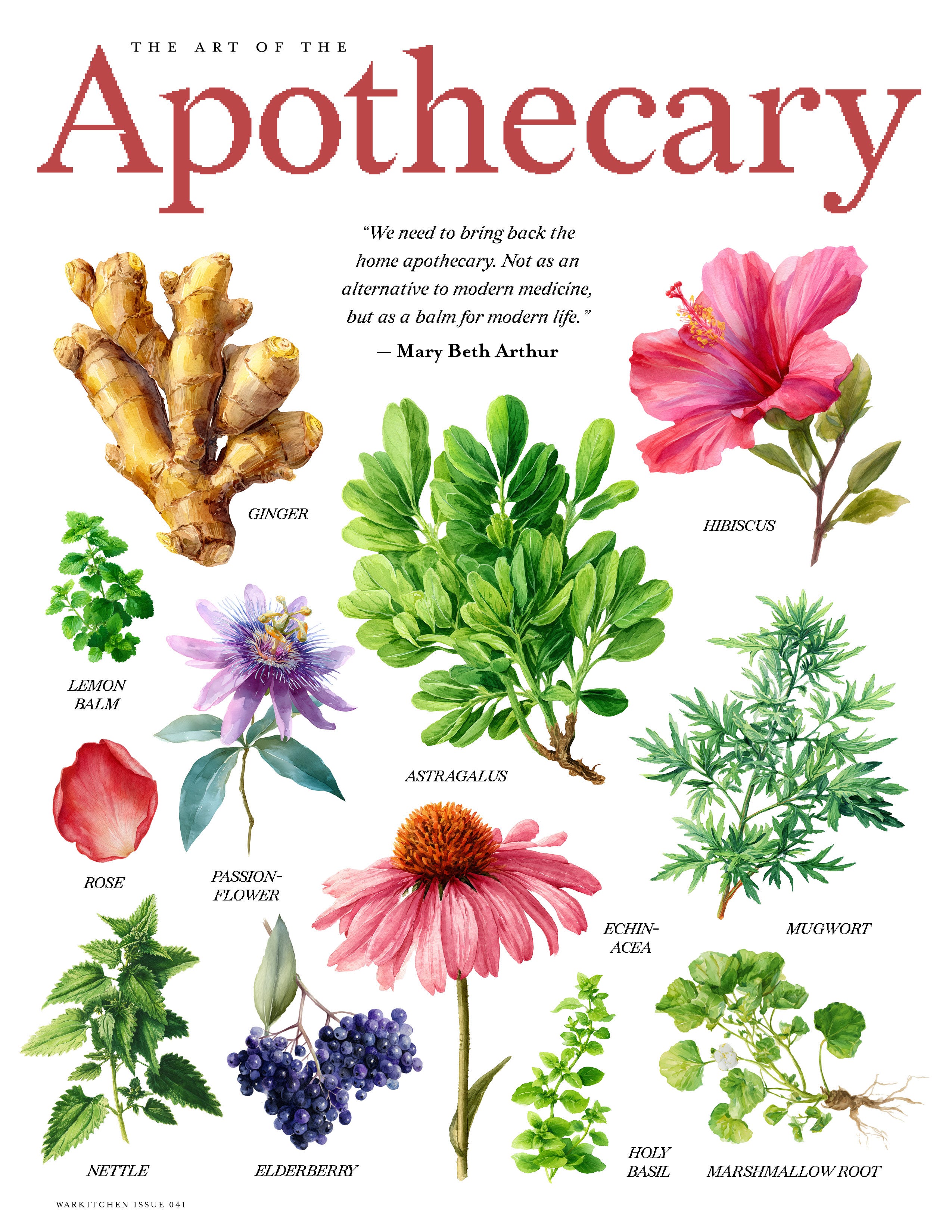
We need to bring back the home apothecary. Not as an alternative to modern medicine, but as a balm for everyday life.
This loss of plant literacy is just one of many ways we have eroded our connection to nature. Its disappearance signals a grim message: How little do we value ancestral wisdom these days? In a technology-obsessed world, we see new answers to our disconnected lives invented every day: red light panels, vibration plates, cold plunge tubs, hyperbaric oxygen chambers, and health-monitoring wearables. The list goes on. All of these expensive modalities aim to recreate, artificially, what we have removed from our daily lives. If you are dysregulated from spending all your time indoors, tech companies offer solutions that require no meaningful lifestyle change.
A consumerist echo of Brave New World. I have tried some of these interventions and see the benefit in specific contexts, but I don’t see them as ideal. I see them as substitutes for real sunsets, fresh air, unplugging, moving our bodies gracefully, and the nourishment we receive from being in touch with the living world.
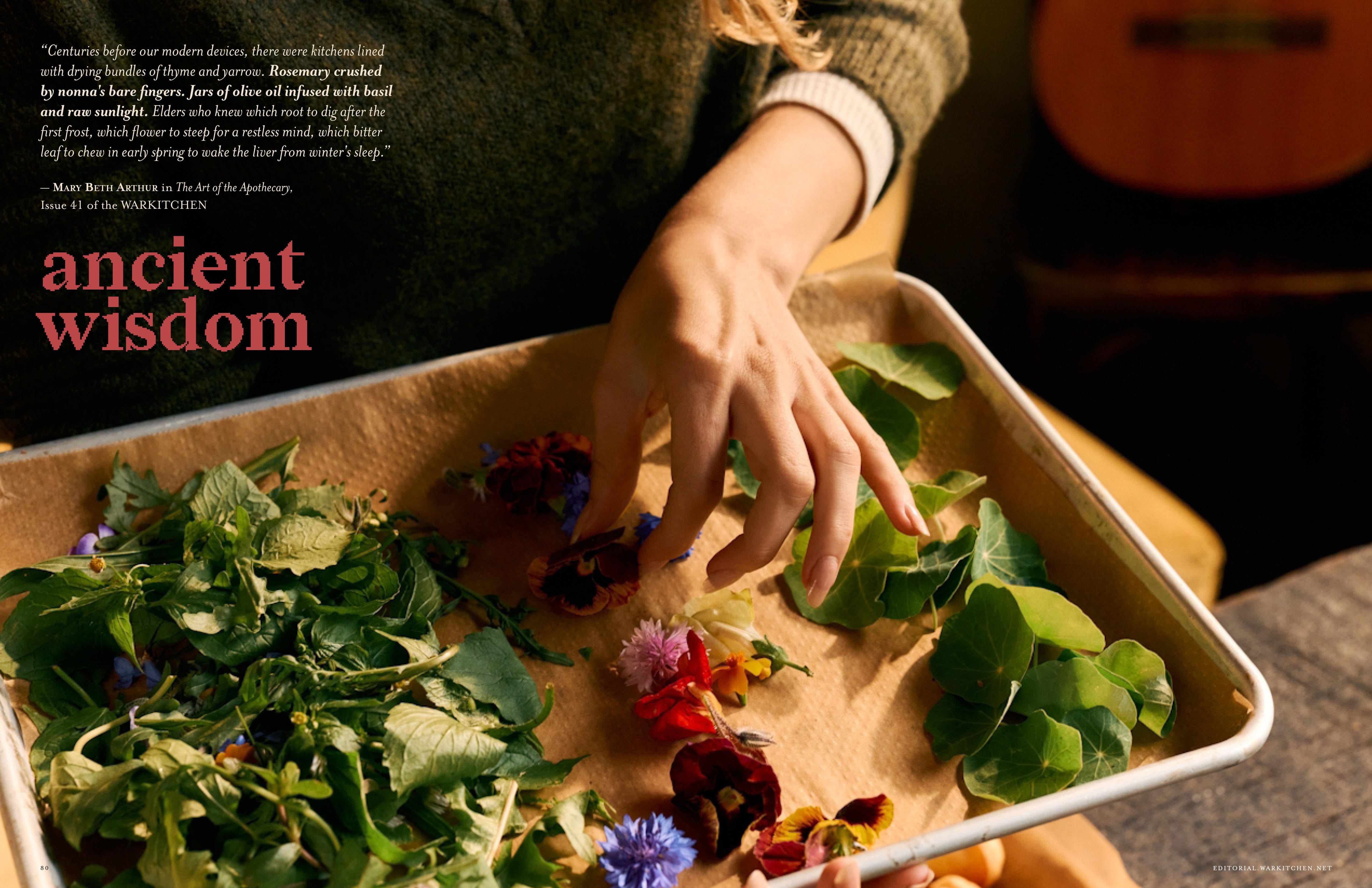
Beneath the hum of machines and the glow of light panels, something older still waits for us. Not as a trend or a biohacking accessory, but as something we all inherit from our forebears. The best health practices invite us to live closer to nature and its rhythms. It seems painfully simple, but the path to wellness must be experienced. You cannot simply optimize and quantify your way there. It’s hard to imagine that any man-made device could rival the magic of discovering a wild patch of passionflower beneath a full moon on a summer night stroll. Centuries before our modern devices, there were kitchens lined with drying bundles of thyme and yarrow. Rosemary crushed by nonna’s bare fingers. Jars of olive oil infused with basil and raw sunlight. Elders who knew which root to dig after the first frost, which flower to steep for a restless mind, which bitter leaf to chew in early spring to wake the liver from winter’s sleep. The original technology of care, found in forests, fields, and the patient observation of generations. The art of the apothecary is about reclaiming plant wisdom in the modern world.
Building Your Home Apothecary
To build your own apothecary is to commune with nature and ancestral wisdom on a daily basis. It is to carry forward a tradition that empowers us to care for ourselves and each other. Modern medicine has immense value for acute needs; this is about participating in something older and steadier alongside it. Blending art and science. What follows is a starting point: the tools, the techniques, the herbs, and one recipe to begin with.
Tools Needed
Start simple! The absolute necessities for a beginner are jars to store your herbs and a French press to make tea. Then, you can build out from there as you explore the beautiful world of apothecary.
A working list:
Glass jars with tight lids, for storing dried herbs
Mason jars, for infusions and oils
A French press, kept separate from your coffee setup (coffee oils cling to the mesh and will muddy the flavor of your tea)
Mortar and pestle, for crushing and blending
A small funnel, for transferring liquids
Cheesecloth or a fine strainer
Dark glass bottles, for tinctures and oils
Labels and a pen, for marking ingredients and dates
“After hours spent learning materia medica while walking through sunlit fields of echinacea in fresh mountain air, we would all sit down together for an organic lunch sourced directly from their garden. That is the feeling I want you to have with your own apothecary. Even a single jar of nettle on the shelf can be a beginning.”
Simple Preparations
These three techniques will take you a long way. Start with tea. Add infusions when you want to draw out minerals. Then, add tinctures when you want something shelf-stable for quick use.
Herbal Teas & Infusions
The easiest way to get started. A daily cup that provides nourishment and a chance to slow down. Begin with one herb at a time, to learn its properties and its flavor profile. Over time, you’ll develop a skill for blending them based on effect and taste, the same way you learn to cook.
Simple Tea: Steep 1–2 tsp dried herb per cup of hot water for 5–10 minutes.
Long Infusion: Cover 1/4 cup dried nettle or oatstraw with 2 cups boiling water. Steep 2–6 hours or overnight to extract minerals. Strain and enjoy.
Bedtime Blend: Mix chamomile, lemon balm, and a pinch of lavender or rose. Steep 5–10 minutes for a relaxing evening ritual.
Tinctures (Alcohol Extracts)
As you feel ready, tinctures are a great way to advance your skillset with herbs. Tinctures are concentrated, shelf-stable, and excellent to have on hand when you need something immediate.
Fill a dark glass jar halfway with dried herb.
Cover with a neutral spirit at 80 proof or higher. Vodka works well for most dried herbs.
Seal and shake daily for 4 to 6 weeks.
Strain and transfer to a dark dropper bottle.
Dosage: 1 to 2 mL, up to 3 times daily, or as advised by a practitioner.
A Note on Sourcing
Growing what you can is the ideal. For everything else, I get my bulk herbs from Mountain Rose Herbs and Frontier Co-op, along with some teas, extracts, and capsules from Gaia Herbs.
One of my fondest memories from my years managing a health food store was visiting Gaia Herbs during the summer for a tour of their farm, usually led by herbalist Mary Bove or the owner Ric Scalzo. After hours spent learning materia medica while walking through sunlit fields of echinacea in fresh mountain air, we would all sit down together for an organic lunch sourced directly from their garden. That is the feeling I want you to have with your own apothecary. Even a single jar of nettle on the shelf can be a beginning.
The Herbs
These are some of my favorite herbs to work with. The best place to start your own inventory is to educate yourself: learn what’s available in your region, what your ancestors worked with, and what could bring balance to any discomfort you are currently experiencing.
I’ve grouped them by what they tend to do, rather than alphabetically, to help you begin thinking like a herbalist.
Nourishing and Mineral-Rich
Nettle (Urtica dioica) is one of the most nutrient-dense herbs, containing calcium, iron, magnesium, potassium, vitamin C, and vitamin K. A natural anti-histamine, it can help alleviate mild allergies and reduce fatigue by replenishing essential minerals. Nettle promotes bone health, healthy circulation, and strengthens hair, skin, and nails. A fresh infusion of nettle and oatstraw can feel like a herbal multivitamin.
Oatstraw (Avena sativa) is notable for high amounts of bioavailable calcium, magnesium, silica, iron, and manganese. It nourishes the nervous system, supports restful sleep, and can aid in recovery from stress or burnout. Its comfort reminds one of a warm bowl of oatmeal, with a mild, grassy, slightly sweet taste. Long infusions extract minerals and make a soothing daily tea.
For the Nervous System
Holy Basil / Tulsi (Ocimum tenuiflorum) is a revered adaptogen in Ayurvedic medicine. Tulsi helps modulate cortisol and balance stress response. Daily use can improve resilience to tension and promote emotional equilibrium.
Lemon Balm (Melissa officinalis) is a gentle, uplifting herb known for calming the nervous system, easing stress, and supporting digestion. It can be steeped as a soothing tea, blended into bedtime infusions, or infused into oils and salves for a refreshing, aromatic touch. Its bright, lemony scent invites both comfort and clarity. It’s even revered for its uplifting quality in times of sadness and grief. I also love this herb in lemonade.
Lavender (Lavandula angustifolia) is cherished for its calming and clarifying properties. It supports relaxation, eases tension, and can aid restful sleep. Lavender flowers can be steeped as tea, infused into oils or salves, or used in sachets and baths, making it a versatile herb for both body and spirit.
Chamomile (Matricaria chamomilla) is the classic bedtime herb. Gentle, slightly apple-like in flavor, and reliable. Chamomile soothes the digestive tract, eases mild anxiety, and is safe enough for daily use. It blends beautifully with lemon balm, lavender, or rose for evening rituals.
Passionflower (Passiflora incarnata) is a calming herb traditionally used to support relaxation, reduce anxiety, and promote restful sleep. It can be steeped as a tea or incorporated into tinctures and blends. Its gentle, balancing effects make it a wonderful herb for evening rituals or moments of intentional calm.
“Begin with one herb at a time, to learn its properties and its flavor profile. Over time, you’ll develop a skill for blending them based on effect and taste, the same way you learn to cook.”
For Resilience and Immunity
Astragalus (Astragalus membranaceus) has long been used in Traditional Chinese Medicine to strengthen vitality and resilience. It gently supports the immune system as an immunomodulator, making it safe for daily use, unlike stronger immune stimulants that may overactivate the system.
Echinacea (Echinacea purpurea) is a gentle immune-support herb, traditionally used to help the body stay resilient during seasonal changes. The root and aerial parts can be made into teas, tinctures, or infused oils. It’s versatile, mild, and safe for most, making it a perfect addition to a beginner’s apothecary for daily or occasional use.
Elderberry (Sambucus nigra) is a potent, antiviral herb often used to support the immune system during colds or flu. Elderberries must be cooked before use, as raw berries (and the plant’s leaves and bark) can cause nausea. Prepared as a syrup or cooked infusion, elderberry is rich in antioxidants and flavorful.
For the Gut
Peppermint (Mentha × piperita) is known for digestive support. An antispasmodic, it helps relax gastrointestinal muscles, ease cramping, reduce bloating, and alleviate discomfort from indigestion or IBS. Refreshing and invigorating, it’s perfect for an afternoon pick-me-up without caffeine.
Ginger (Zingiber officinale) is a warming and invigorating root, celebrated for its digestive support, helping to ease nausea, reduce bloating, and stimulate circulation. It also has anti-inflammatory properties that can soothe mild aches and tension. Fresh or dried, ginger can be steeped as a tea, added to infusions, or incorporated into oils and tinctures, offering a gentle yet potent boost to both body and spirit. It can also be chopped and added to a hot bath during a cold or flu. Be mindful, a little goes a long way.
Marshmallow Root (Althaea officinalis) is historically used to soothe sore throats, calm coughs, and aid an inflamed digestive tract. It is hydrating and beneficial for dry skin or mucous membranes. Steeping it as a tea provides a gentle, sweet, soothing effect.
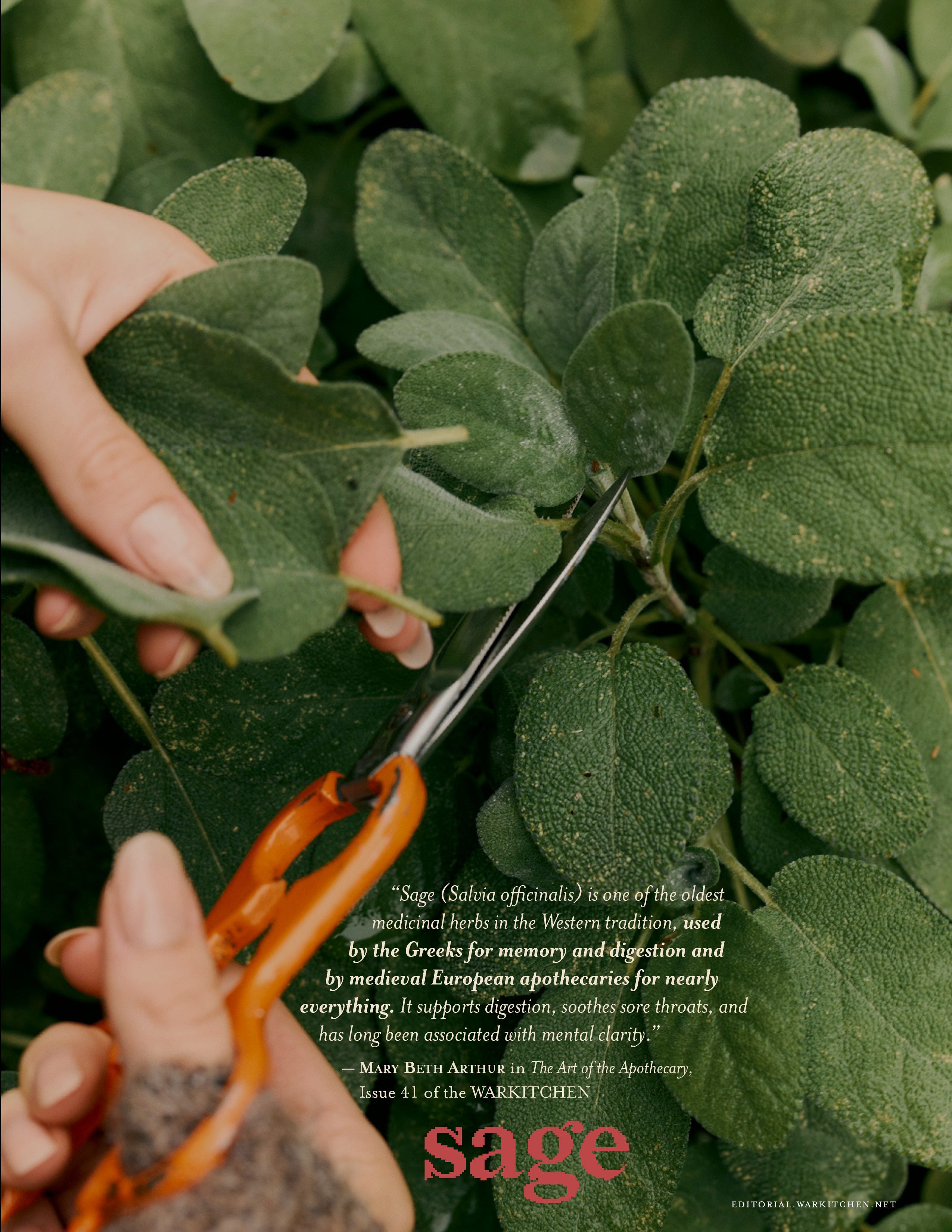
Sage (Salvia officinalis) is one of the oldest medicinal herbs in the Western tradition, used by the Greeks for memory and digestion and by medieval European apothecaries for nearly everything. It supports digestion, soothes sore throats, and has long been associated with mental clarity. A simple sage tea is grounding and slightly bitter, traditional for after a heavy meal.
For the Heart and Mind
Hibiscus (Hibiscus sabdariffa) is known for its vibrant color and tart, refreshing flavor. Rich in antioxidants, it supports healthy blood pressure and cardiovascular function. It can be steeped as a cooling tea, blended with other herbs for a bright infusion, or used in syrups and tonics. I love making hibiscus tea ice cubes and throwing them into homemade lemonade. You can put rose petals into the ice cubes as well.
Ginkgo (Ginkgo biloba) is valued for supporting cognitive function, circulation, and mental clarity. Due to its impact on circulation, it can help deliver oxygen to the brain. Its leaves can be made into teas or tinctures, offering gentle support for focus and memory. Ginkgo is versatile and well-suited for a home apothecary focused on daily wellness and mental vitality.
For Ritual and Restoration
Rose (Rosa spp.) is gentle and restorative, traditionally used to support emotional balance, soothe the digestive system, and promote radiant skin. Petals can be steeped as a calming tea, infused into oils for skin care, or blended into herbal baths and tonics. The fragrance alone invites a moment of mindfulness and ritual.
Mugwort (Artemisia vulgaris) is associated with sleep, dreams, and ceremonial use. It has a rich cultural history, from warding off fatigue in Roman soldiers to midsummer solstice rituals in Europe. Traditionally used to support deep sleep, vivid dreams, and occasional menstrual cycle balance. Best used ceremonially or in small amounts blended with calming herbs like chamomile.
“Tending your own apothecary restores a dialogue with the living world. It asks that we slow down, touch, smell, and steep. That we notice the subtle changes in plants, the shifts in season, and the quiet lessons of nature that unfold when we are present. ”
Ginger Hibiscus Tea Recipe
Now that you have your jars, your French press, and a sense of what each herb might offer, here is a simple recipe to start with. A ginger hibiscus tea I come back to again and again: tart, warming, and easy to love.
Ingredients:
1 tablespoon fresh ginger, thinly sliced (dried also works, but I love fresh)
1 tablespoon dried hibiscus
3 to 4 cups hot water (a standard French press)
Method:
Add the ginger and hibiscus to a French press
Pour over hot water, cover, and steep for 10 to 15 minutes. Press and pour. Enjoy warm or chilled.
Sweeten with raw honey if you like.
This vibrant, tangy infusion supports cardiovascular health and healthy circulation. Ginger brings warmth and movement to the body, while hibiscus offers a cooling, antioxidant-rich balance. Enjoy hot or iced!
Tending your own apothecary restores a dialogue with the living world. It asks that we slow down, touch, smell, and steep. That we notice the subtle changes in plants, the shifts in season, and the quiet lessons of nature that unfold when we are present. In doing so, we reconnect with the rhythms that have nurtured humans for millennia, preserving the sacred knowledge of plants for ourselves and future generations.
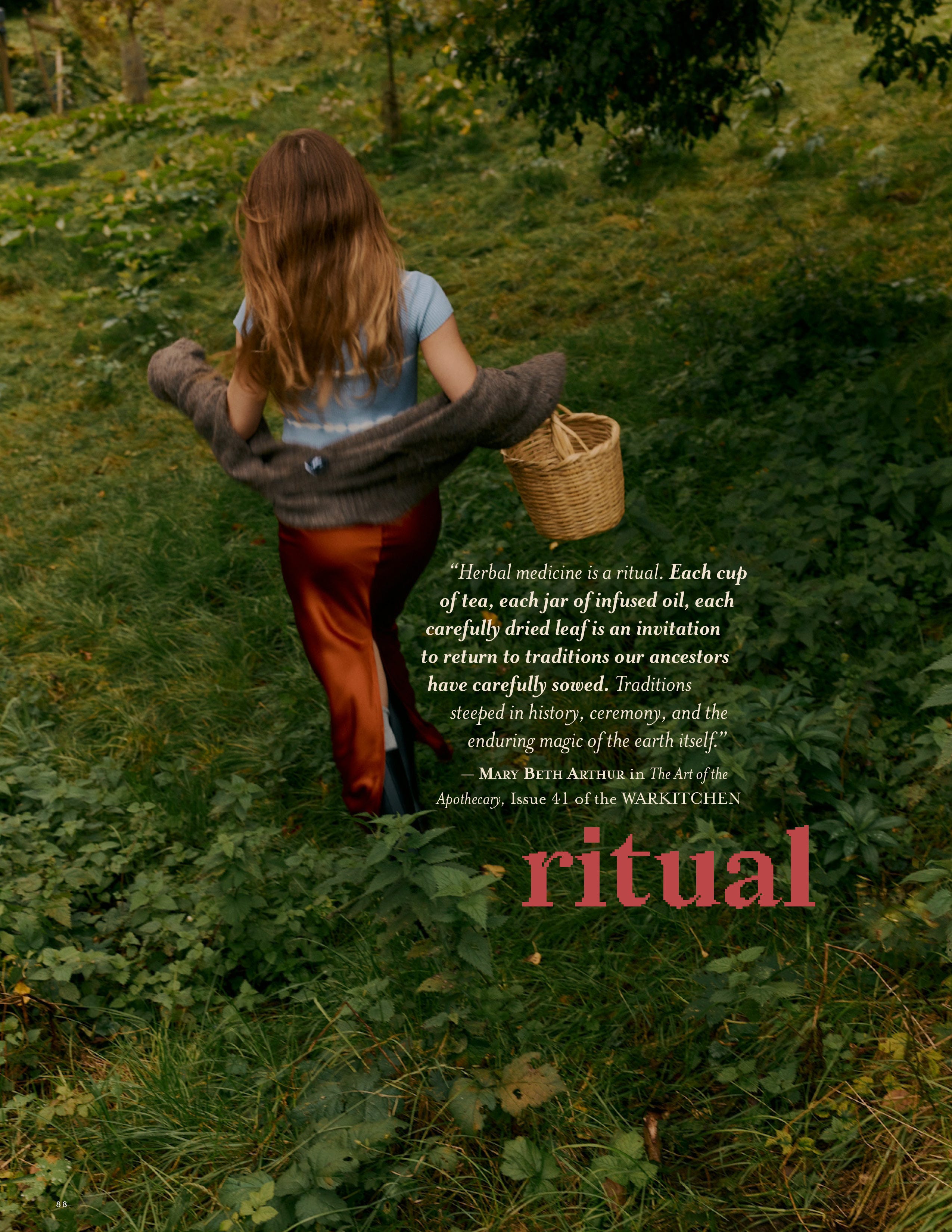
Herbal medicine is a ritual. Each cup of tea, each jar of infused oil, each carefully dried leaf is an invitation to return to traditions our ancestors have carefully sowed. Traditions steeped in history, ceremony, and the enduring magic of the earth itself.
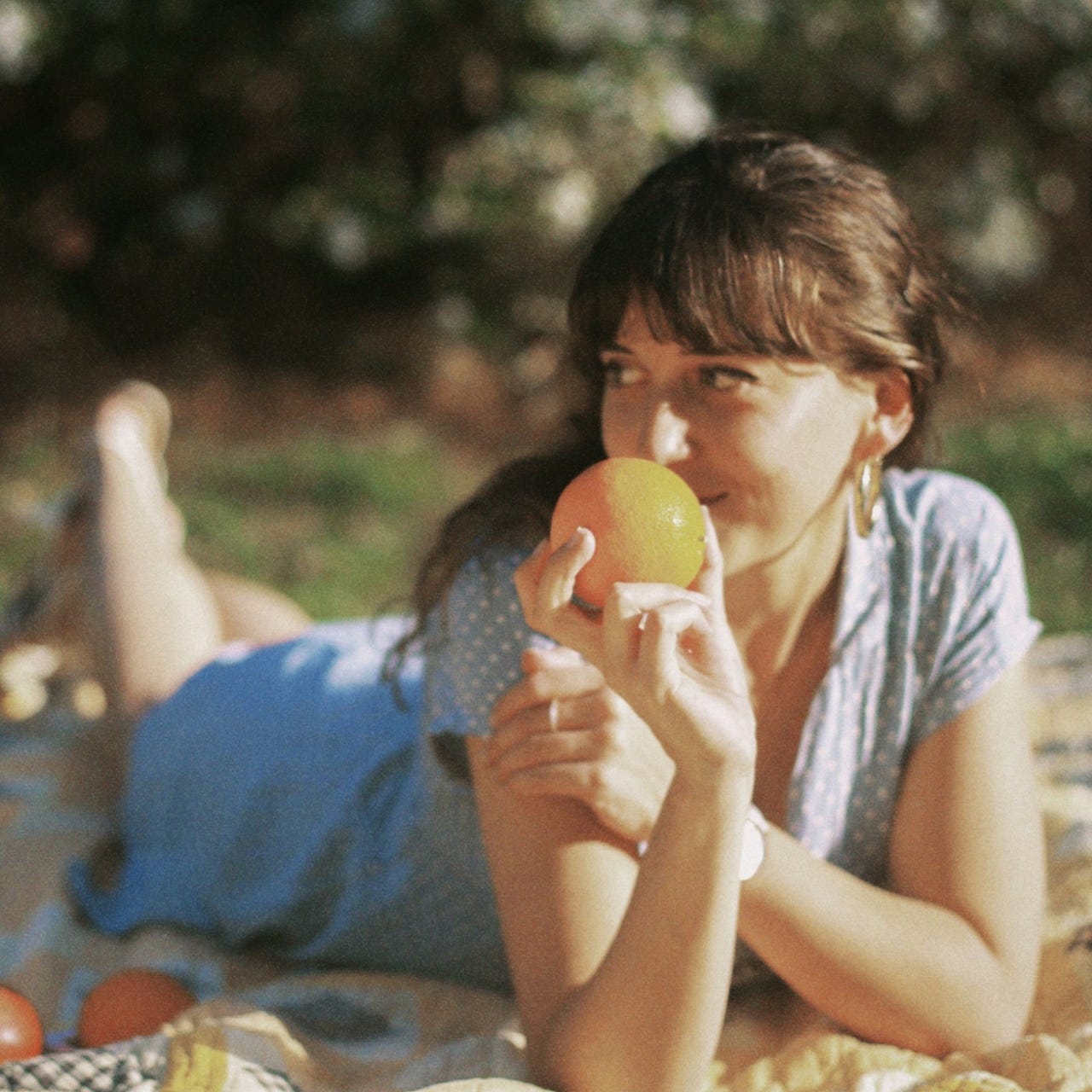
Mary Beth Arthur is a Nutrition Therapy Practitioner whose work explores the meeting place between bioenergetic nutrition, ancestral wisdom, and the rhythms of the natural world. Her background weaves together the healing arts and creative practice, shaping a perspective that values both science and intuition.
She manages a wellness studio, writes for pleasure, studies languages, and loves playing jazz piano in her free time. At home in the foothills of North Carolina, she tends to a small world of books, herbs, vintage clothes, and rescue animals.
Though she is chronically offline, you can sometimes find her posting on Instagram as @metabolic.marybeth or on Substack as @marybeth777, but she’s probably in her secret garden reading a good book.

This piece was first published in Issue 41 of the WARKITCHEN, explore the rest of the issue here. Enjoy the experience 🥂
❋ Winter 25/26 Coffee Table Book (Print)
❋ Explore the full WARKITCHEN archive here.
❋ Got an article or recipe in mind? We’d love to hear more! Please send your pitch to rocky@warkitchen.net.

This was so well written and so helpful! Can’t wait to get a French press for some teas! Nettle sounds amazingggg!!
I love simmering a piece of ginger in a pot for 20 minutes - super potent!