


Food is never just food. It is story, memory, labor, sunlight, soil. It is an exchange of energy so ordinary we forget how radical it is: something once alive becomes part of us, shaping bone and blood, fueling thought and movement.
And yet, how often do we rush through meals without noticing? We eat standing up, fork in one hand, phone in the other. We scroll, we scroll, we scroll, barely tasting what passes our lips. The act of eating, the most ancient communion between human and earth, has been reduced to background noise.
To bless your food is to resist that speed. To bless your food is to pause, to remember that this plate in front of you is a miracle of processes, people, and places. It is to see that every bite carries a story.
“In that pause, you might notice details you would otherwise miss: the way steam curls upward, the colors of roasted vegetables, the way your own hunger sharpens your senses. Waiting, even briefly, makes the meal feel more alive.”

Food as Energy, Not Just Nutrition
Modern nutrition language reduces food to numbers: calories, grams, percentages. But food has always been more than its chemical parts. It is energy condensed in matter, sunlight transformed into sugars, minerals carried from soil into leaf, muscle built from grain.
That energy carries memory. A tomato ripened in midsummer sun has a different pulse than one plucked unripe and shipped across oceans. A loaf of bread made by hand feels alive in a way that factory bread never can. Even if science struggles to measure it, we can feel the difference.
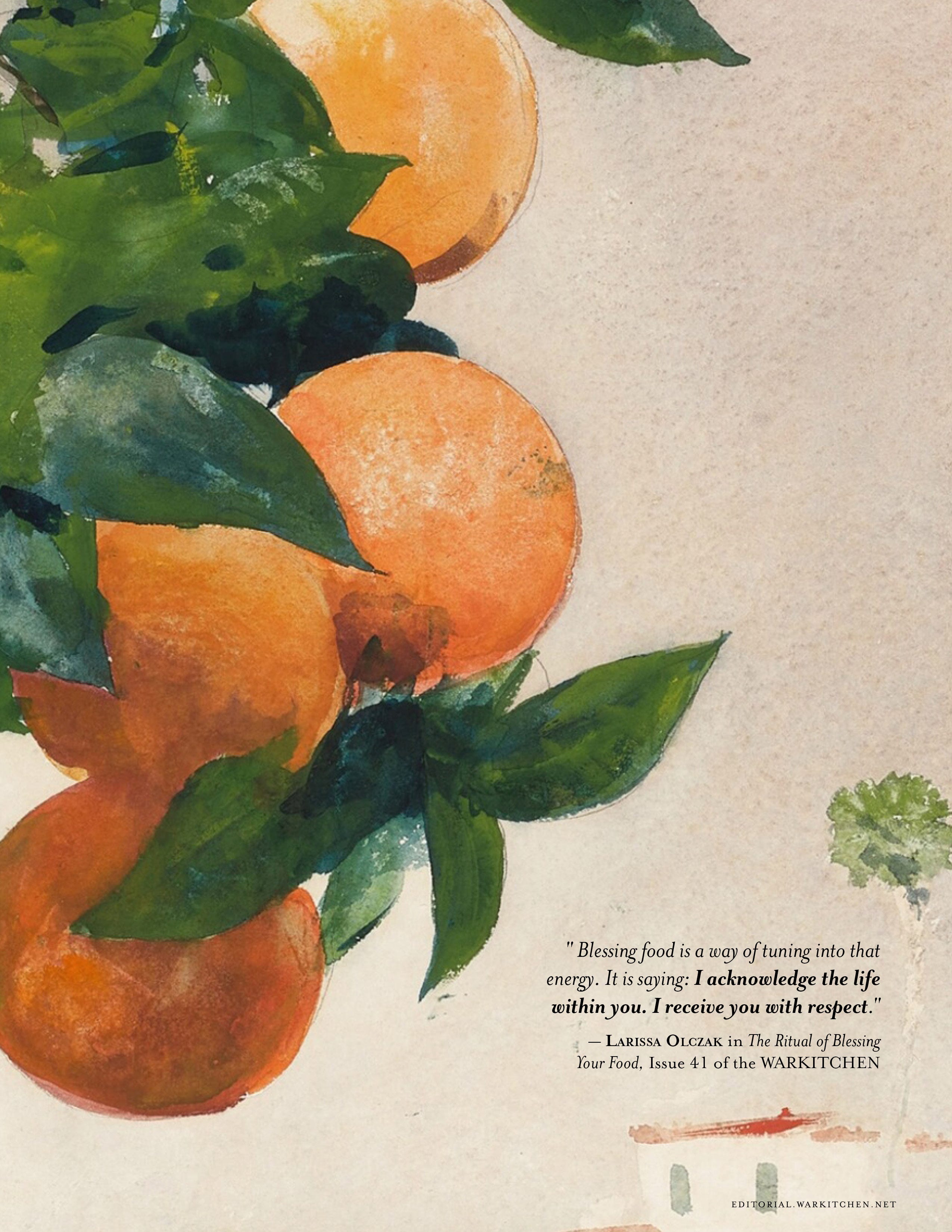
Blessing food is a way of tuning into that energy. It is saying:
I acknowledge the life within you. I receive you with respect.
The Pause as Discipline
Hunger makes us impatient. The smell of roasting garlic, the sight of a steaming bowl - instinct tells us to dig in. To bless your food is to resist that instinct, if only for a moment. The pause is its own discipline: not punishing, not ascetic, but grounding. That brief resistance, waiting before you take the first bite, strengthens the muscle you use to breathe before reacting in anger, or to hold silence before speaking something you can’t take back. The meal becomes training for life itself.
And in that pause, you might notice details you would otherwise miss: the way steam curls upward, the colors of roasted vegetables, the way your own hunger sharpens your senses. Waiting, even briefly, makes the meal feel more alive.
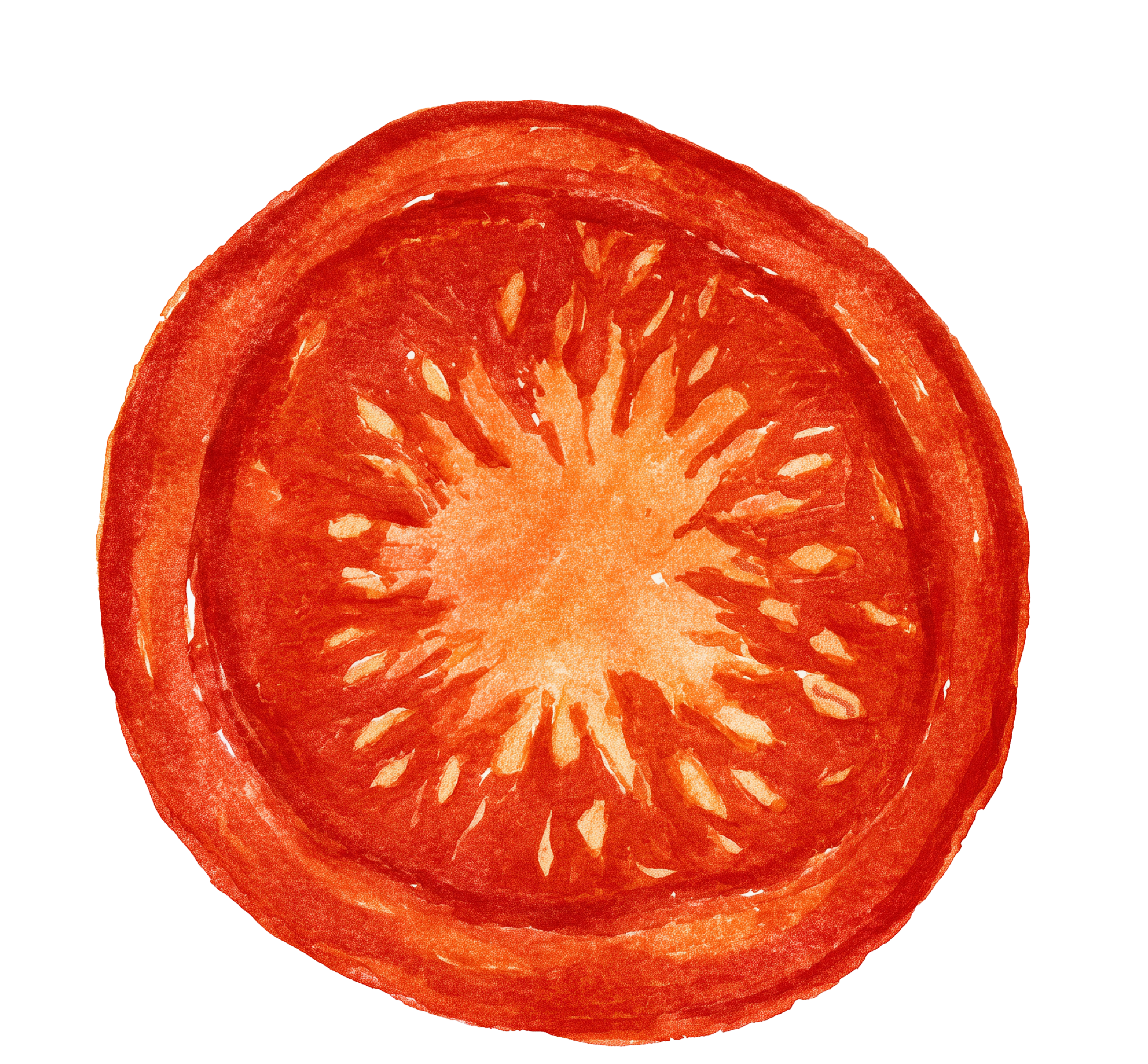
“A tomato ripened in midsummer sun has a different pulse than one plucked unripe and shipped across oceans. A loaf of bread made by hand feels alive in a way that factory bread never can. Even if science struggles to measure it, we can feel the difference.”
Gratitude as Transformation
Gratitude changes the meal. It shifts the energy of a table. A simple bowl of rice, when received with thanks, feels richer than a feast eaten in distraction.
Across cultures, this has always been known. In Japan, Itadakimasu is spoken before eating, an acknowledgment of everything and everyone that made the meal possible. In Christian households, grace is said, giving thanks to God. Many Indigenous traditions offer words to the animals and plants, to the water and the land.
Different words, same gesture: to eat with awareness is to honor life itself. Gratitude becomes its own seasoning, one that transforms not just the flavor of the food but the way your body absorbs it. When you eat with thanks, digestion softens, the nervous system calms, and the body opens to receive.

“Blessing food also means recognizing that every bite carries a lineage. Wheat was once a wild grass. Cacao was once sacred medicine. Salt was once currency, fought over and worshiped. Our ingredients arrive on our tables through centuries of cultivation, conquest, migration, and exchange.”
Stories in Every Bite
Blessing food also means recognizing that every bite carries a lineage. Wheat was once a wild grass. Cacao was once sacred medicine. Salt was once currency, fought over and worshipped. Our ingredients arrive on our tables through centuries of cultivation, conquest, migration, and exchange.
To acknowledge those histories doesn’t make the meal heavy; it makes it luminous. It reminds us that food is a living archive. Every ingredient has traveled through time and space to be here, now, sustaining you.
Even the most ordinary foods hold extraordinary journeys. A morning cup of coffee contains entire economies, harvests in distant lands, hands that picked and processed beans, ships that crossed oceans. A piece of bread contains thousands of years of human experimentation with grains, fermentation, and fire. To bless your food is to taste these histories with every bite.
Eating as Spiritual Practice
When you bless your food, you begin to see eating as more than a physical necessity. It becomes a spiritual practice. You’re reminded, multiple times a day, that you’re connected to something larger: the earth, the cycles of growth and decay, the web of people who labor to make food possible, the mystery of life itself.
Meals become altars. Plates become offerings. The table itself becomes a sacred space where the ordinary reveals its depth.
It doesn’t matter what tradition you come from, or whether you claim any tradition at all. The act of blessing food belongs to everyone. It is as universal
as hunger.
“Whisper or think a quiet acknowledgment. It might be as simple as, Thank you to the earth, the farmers, the plants and animals, and all the hands that brought this meal to me.”
How to Bless Your Food
There is no single right way to bless your food. Ritual is not about perfection but presence. What matters is intention, the willingness to pause, acknowledge, and receive.
For some, the gesture will be silent and inward. For others, spoken words feel more alive. Some may prefer imagery, others prayer, others the simple act of stillness. What matters is that you meet the meal with awareness. Here are a few ways the practice might unfold.
The Silent Pause
Close your eyes. Take a slow breath. Place your hands near your food or simply rest them in your lap. Let your awareness soften toward gratitude, even if only for a few seconds.
Words of Thanks
Whisper or think a quiet acknowledgment. It might be as simple as a Thank You to the earth, the farmers, the plants, animals, and all the hands that brought this meal to you.
Visualization
Imagine your food glowing with light, infused with energy that will nourish not just your body but your spirit. See the vitality moving into you.

Prayer or Mantra
If you walk a spiritual path, you might recite a prayer from your tradition. Or create your own mantra, a phrase that anchors you in gratitude, like, May this meal sustain me in peace.
Communal Ritual
When sharing a table, invite others into a shared moment. A silence held together can feel like a collective blessing, deepening not only your connection to the food but to each other.
These gestures do not require candles, altars, or elaborate ceremony. They require only presence. Even a single conscious breath before eating can transform the meal.
The Ripple Effect
What begins at the table does not end there. The discipline of pausing before food makes it easier to pause in life. Gratitude spoken at the plate makes gratitude easier in other moments. Eating with reverence makes living with reverence that much more possible.
Over time, blessing your food reshapes your relationship with nourishment. Meals stop being interruptions in the day and become touchstones of presence. Food becomes not just fuel but teacher.
And perhaps that is the quiet power of this practice: it returns the sacred to the everyday. Not through grand gestures, but through small moments of noticing. Through remembering that life is always feeding life, and that every bite is part of that endless exchange.
The practice of blessing food is not about belief, performance, or obligation. It is about remembering.
Remembering that food is alive.Remembering that someone’s hands harvested what you now hold. Remembering that sunlight and soil are in every bite. Remembering that this, right here, is sustenance.
Bless your food, and you bless yourself. Bless your food, and you bless the world that made it possible. Because food has always been sacred. We’ve only forgotten. Blessing it is how we remember.
Larissa Olczak writes The Back Forty, a curated guide connecting people to stewards of the land. Every Friday she interviews those that grow, protect, and work with land and animals. Explore more at findbackforty.com. You can also find Larissa on Instagram @wellbylarissa.

This piece was first published in Issue 41 of the WARKITCHEN, explore the rest of the issue here. Enjoy the experience 🥂

Beautiful article. Gratitude makes everything better.
"Even if science struggles to measure it, we can feel the difference.” So good!!