

Alexander the Great's Crown Jewel
Exploring Egypt's Greco-Roman Capital: Alexandria


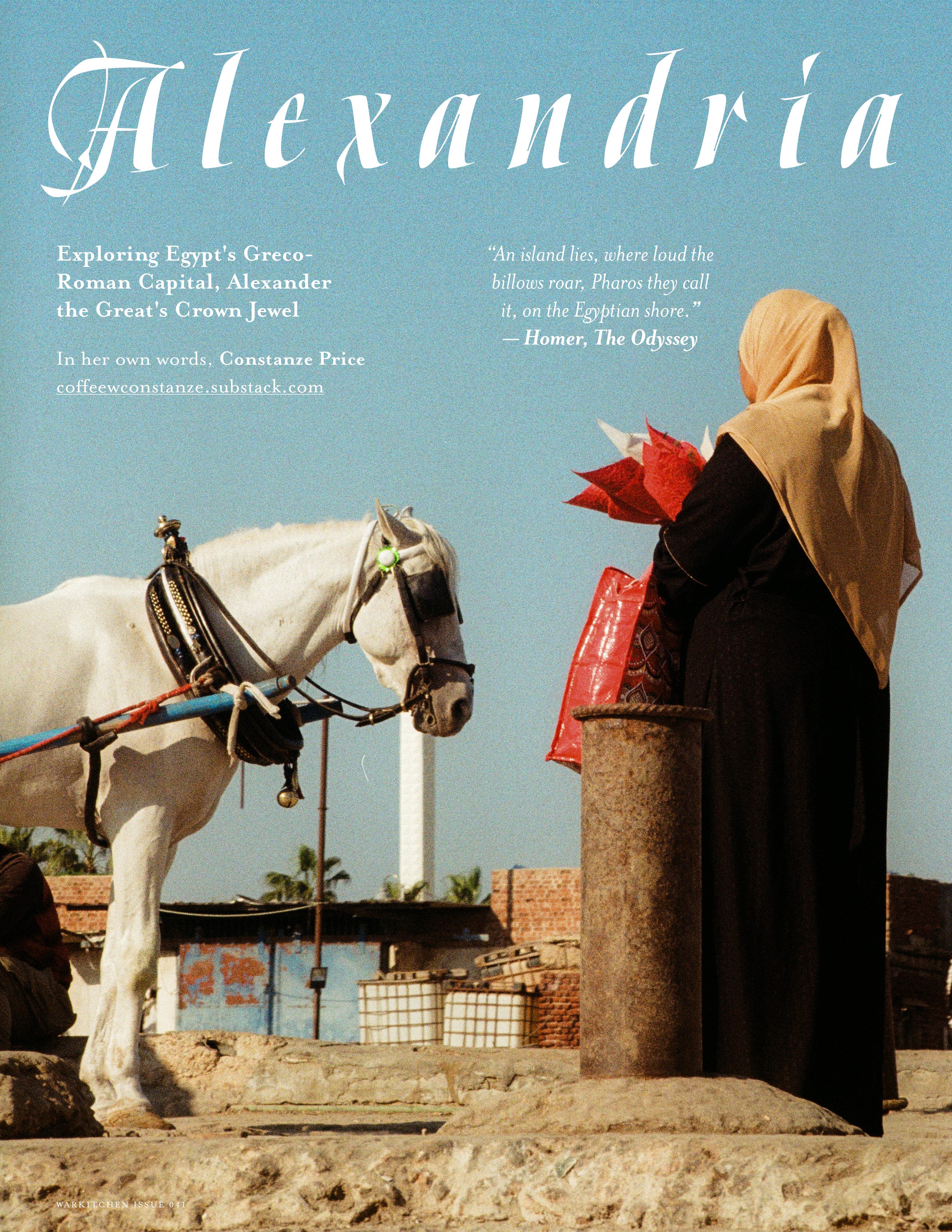
Alexandria holds the Mediterranean Sea close to itself on the Egyptian coast, less by geography than by affection. Beyond coastline, the beachfront is a long, tan arm in a loving embrace with its muse.
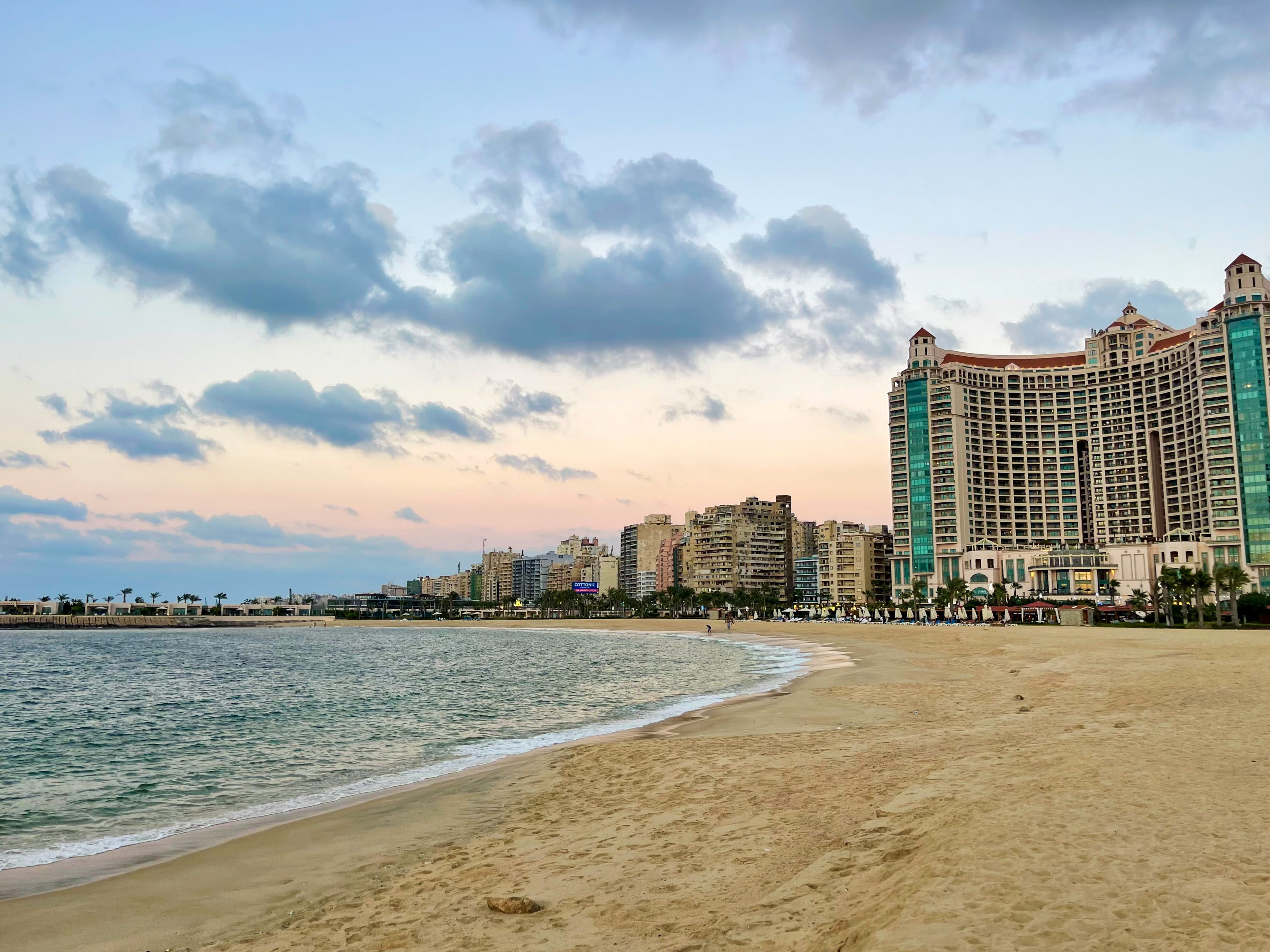
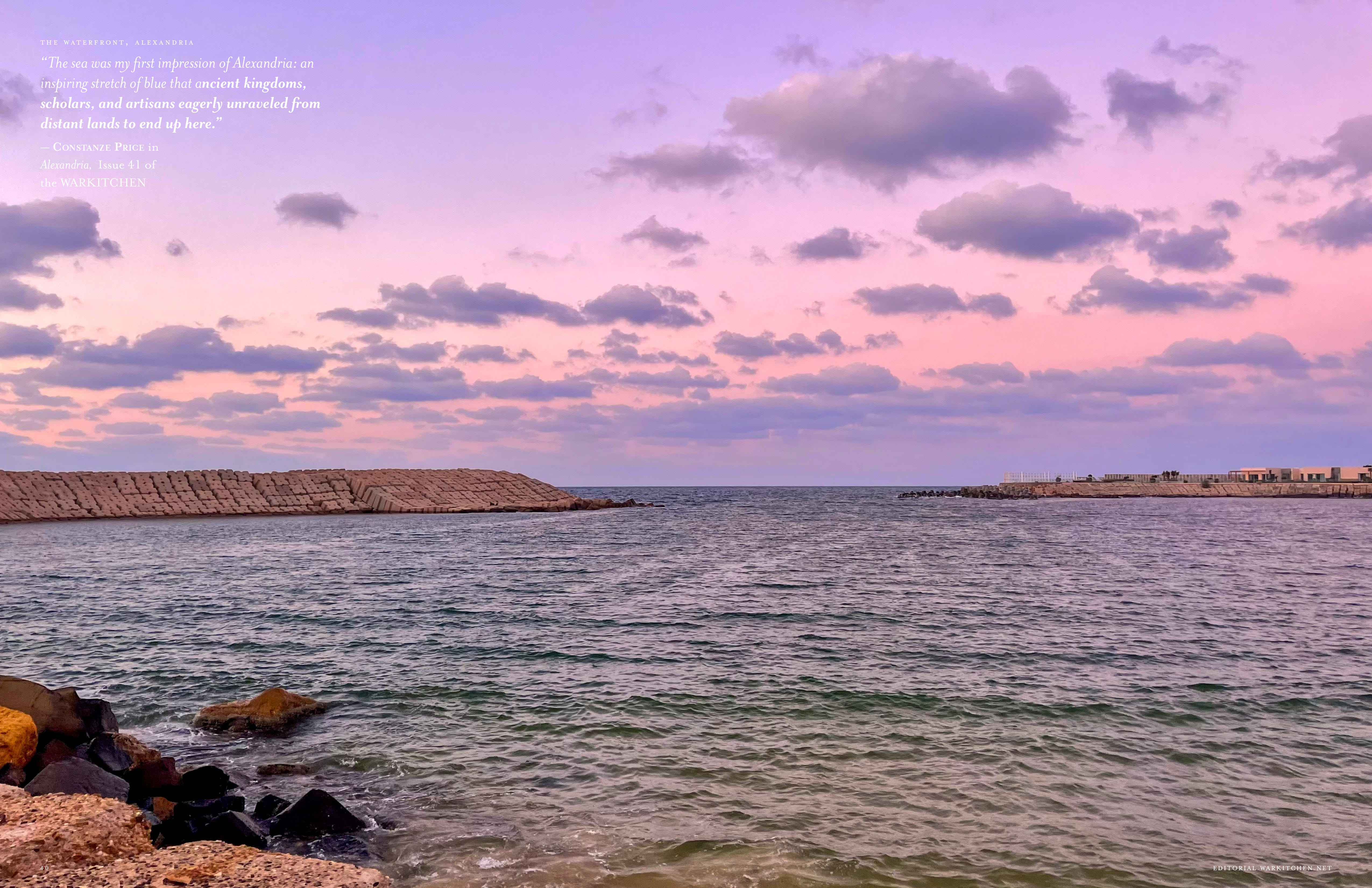
The sea was my first impression of Alexandria: an inspiring stretch of blue that ancient kingdoms, scholars, and artisans eagerly unraveled from distant lands to end up here - Alexandria, the bride of the Mediterranean and an ancient city
of striking contrasts.
Because of this ongoing romance, whoever visits Alexandria stays in two places at once: in Egypt and on the Mediterranean. Each is its own distinct pleasure. Stay on Corniche Street, the city’s historic waterfront promenade, and this becomes especially clear.
My native Alexandrian mother-in-law booked us a suite at the Four Seasons San Stefano when we came to town following two weeks of cross-country travel. She never stays anywhere else when she comes back home, and her favoritism makes sense - this waterfront estate was the closest I could get to the world she was raised in, when Alexandria was Egypt’s European capital.
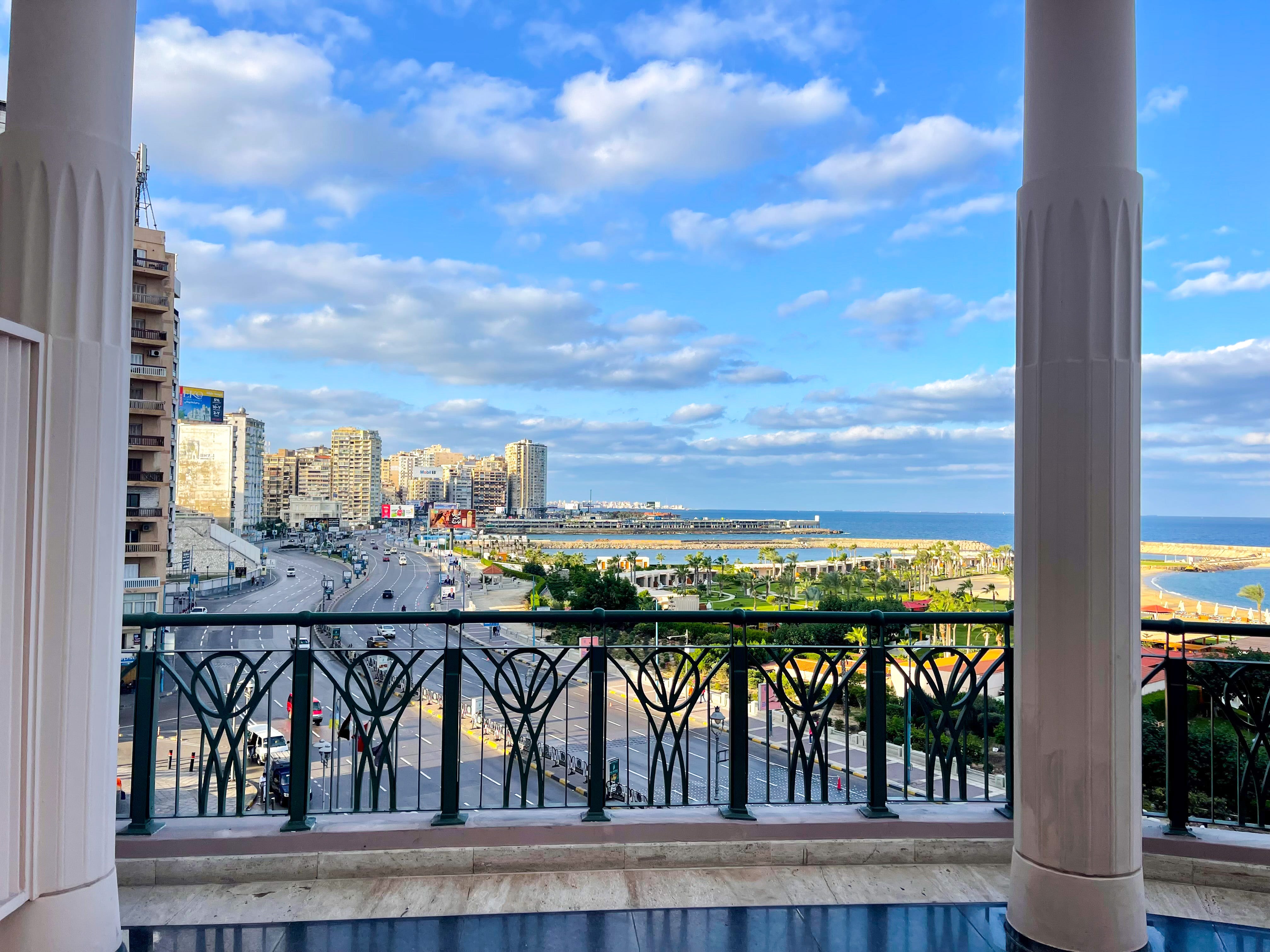
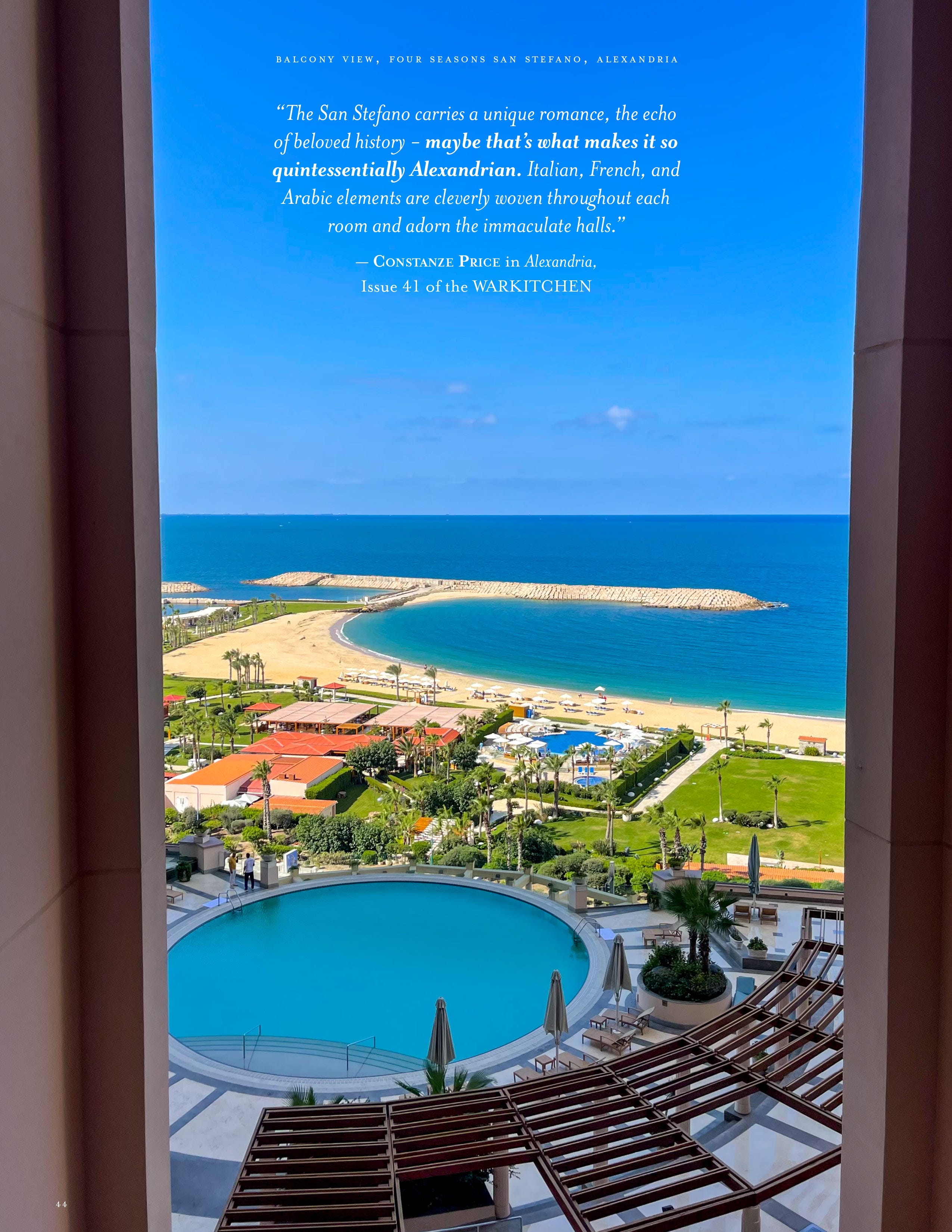
The San Stefano carries a unique romance, the echo of beloved history. Maybe that’s what makes it so quintessentially Alexandrian. Italian, French, and Arabic elements are cleverly woven throughout each room and adorn the immaculate halls. Cultural influences are distinct, yet intermarried: Greek icons stylize the master shower tile; bedrooms display Italian still lifes. The lobby ceilings resembled clement skies, reminiscent of ancient temples I’d seen in Upper Egypt.
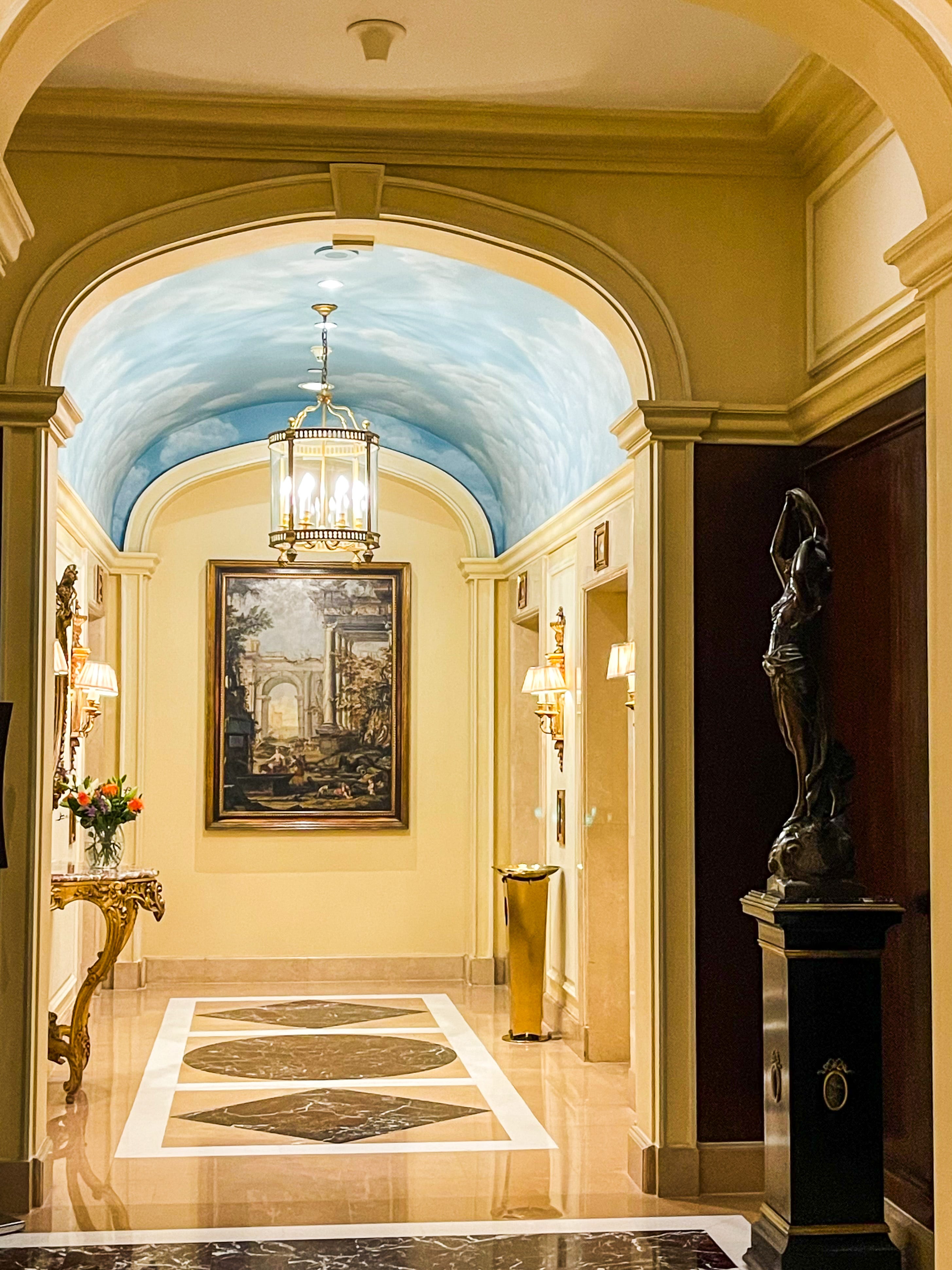
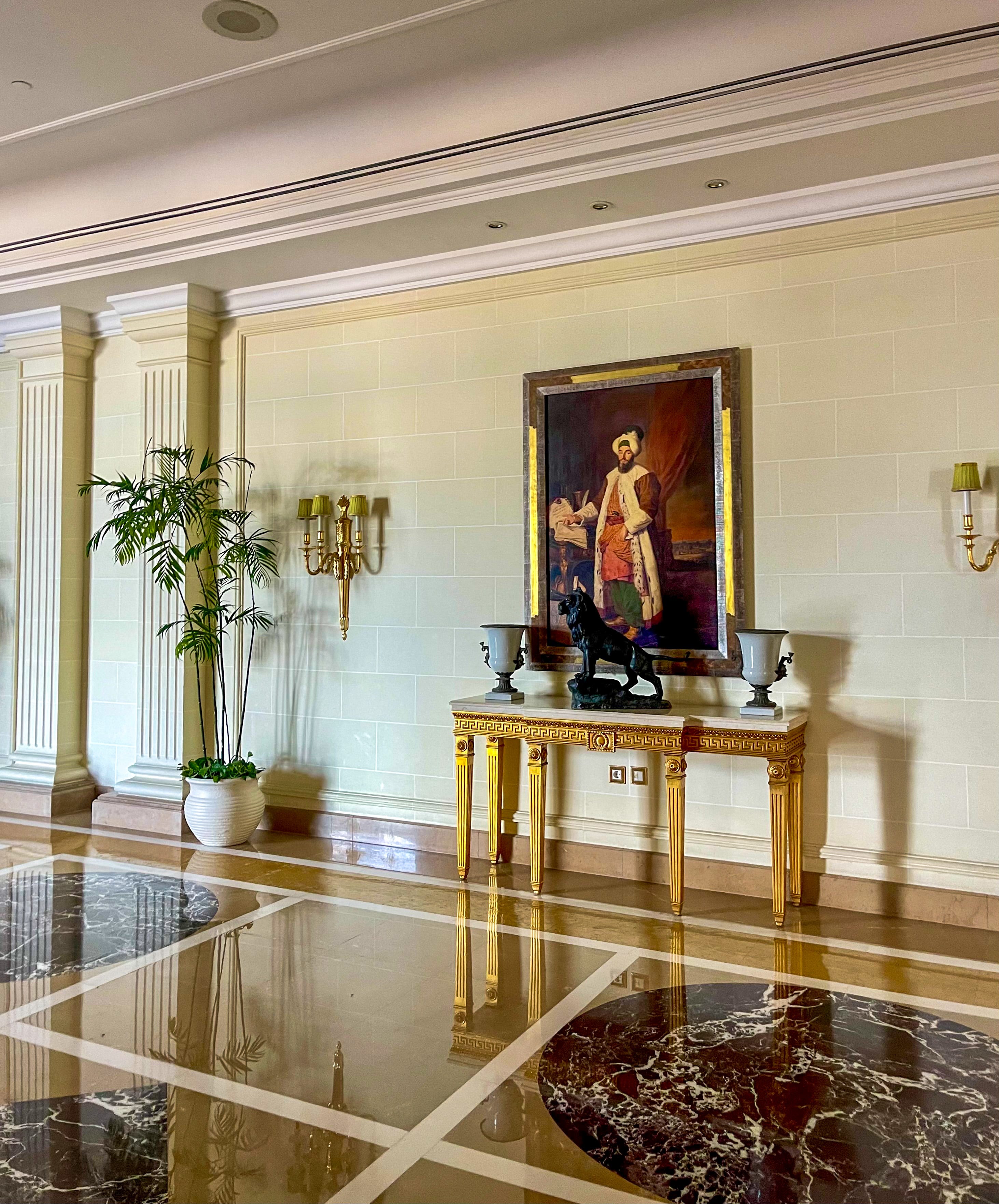
Multicultural elegance defined Alexandria for centuries. 2,000 years ago, it was the world’s very first ‘cosmopolis.’ Its mid-20th century golden age saw a blended population of highly cultured citizens from all backgrounds, even fostering a rich literary scene through writers like E.M. Forster, Lawrence Durrell, and Constantine Cavafy.
Mediterranean views surely contributed to such a lively, creative populace. Our first early morning, I stood on the balcony and ached to touch the water. I needed to feel the difference between this sea and the Red Sea I’d swam in just days before. From the underground tunnel leading to the estate’s private beach, I eagerly shed my cover-up and leapt straight into the waves.
The water was rowdier, cooler, and satisfying in a way I know was simply a product of perception - it felt like floating in a living ruin. I had yet to discover that the entire city feels that way.
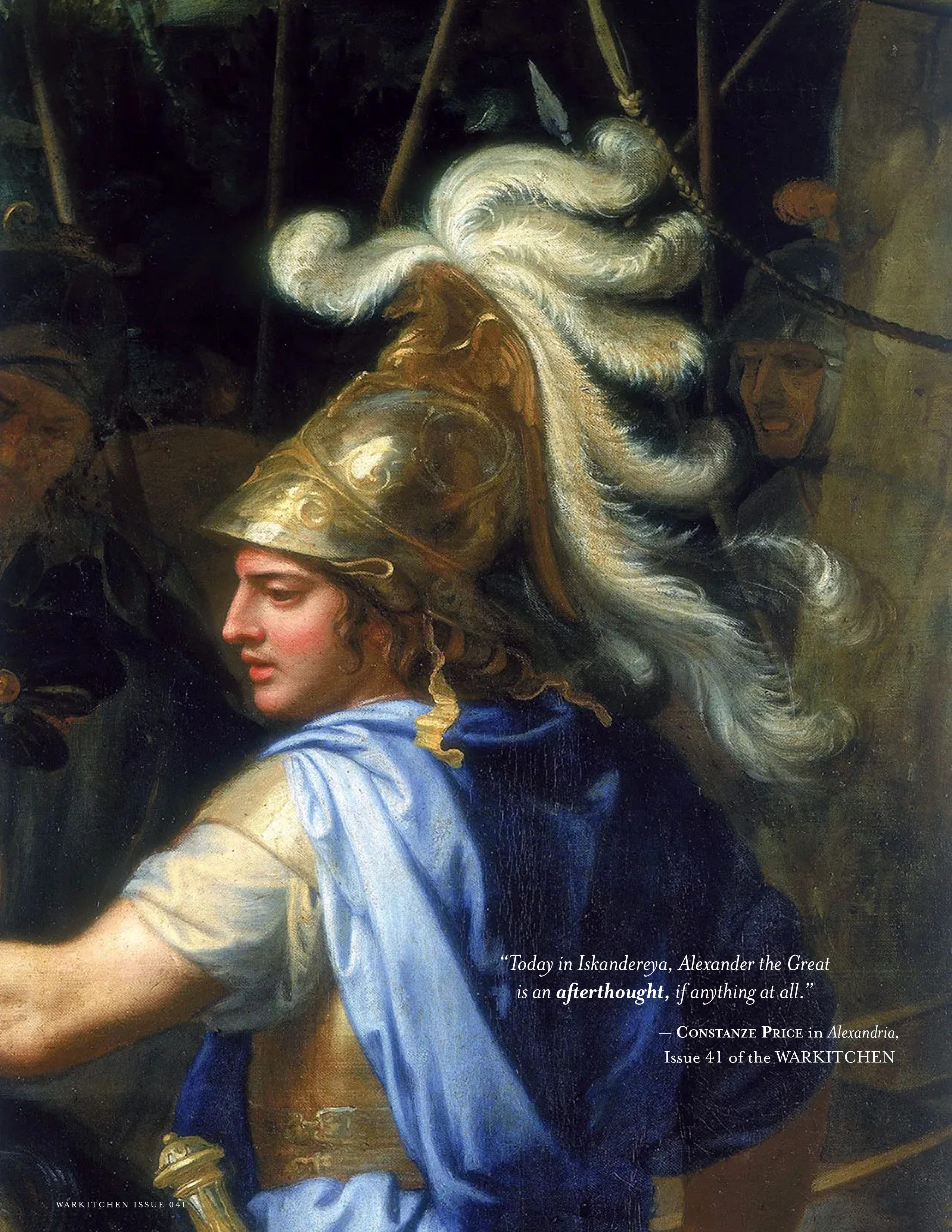
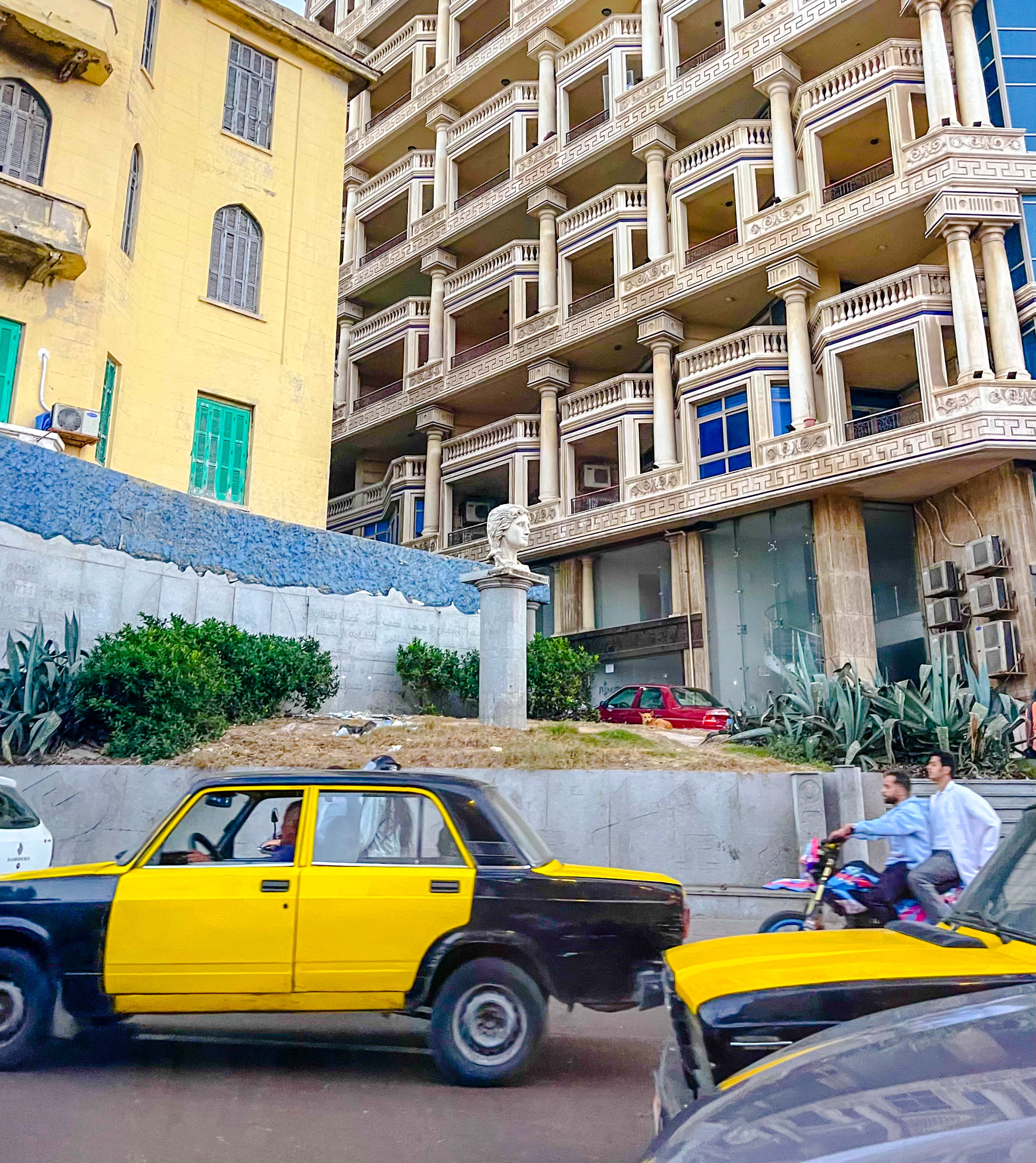
Today in Iskandereya, ..... Alexander the Great is an afterthought, if anything at all.
In a modern metropolis gleaming with ancient history, it seems like he came to conquer, name everything, and die. Alexandria’s oldest world-famous sites, the Great Library and the Pharos Lighthouse, were built in his absence and have since outpaced his legacy.
These ancient wonders have been lovingly remade in different forms. They encourage tourism while also stoking Alexandrian-even Egyptian-pride, resting in part on the era of Hellenistic rule that Alexander the Great ushered in. I was excited to see Alex’s history for myself, and my tour guide, Amgad, was proud to show it off on an extended tour across the city.
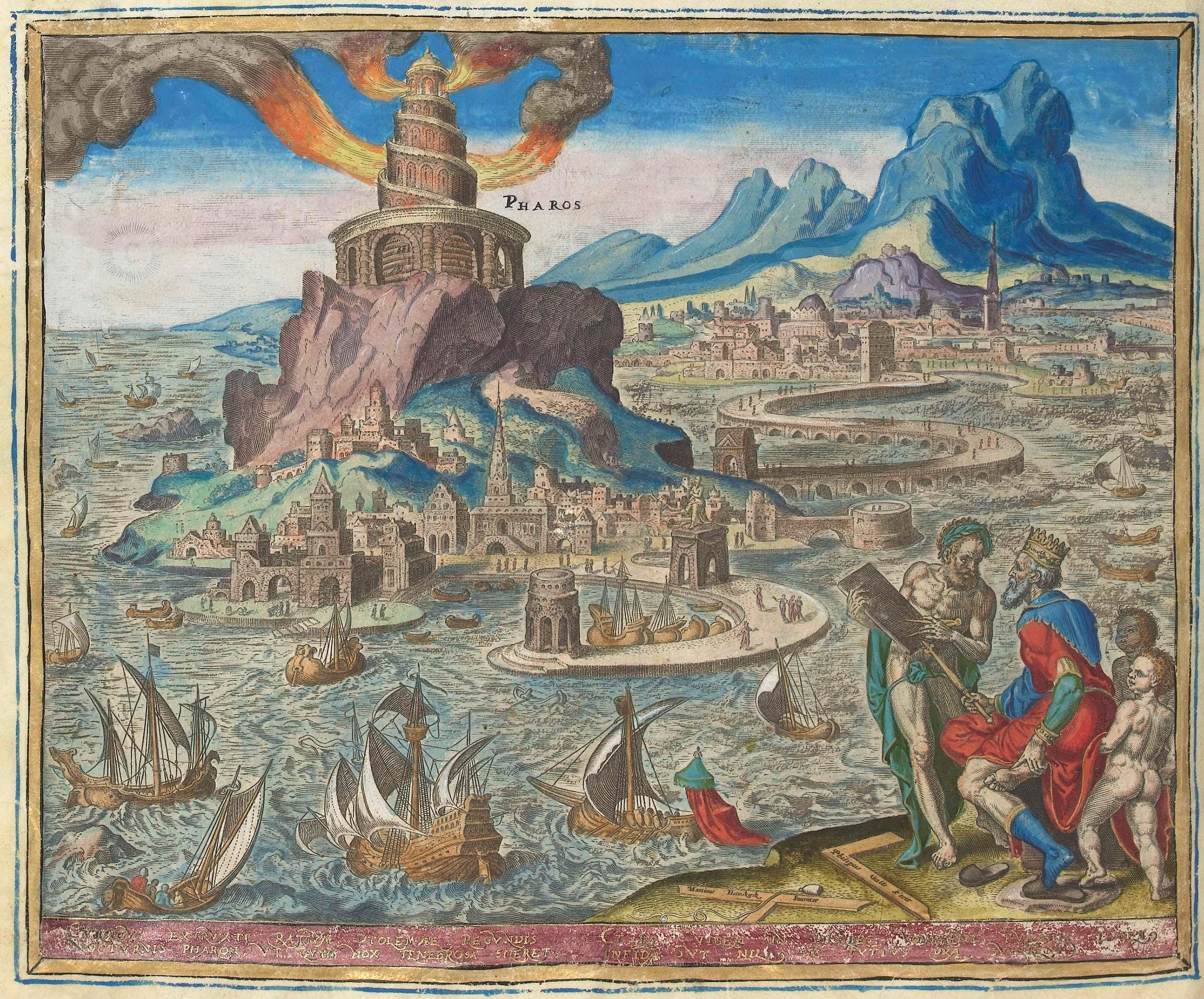
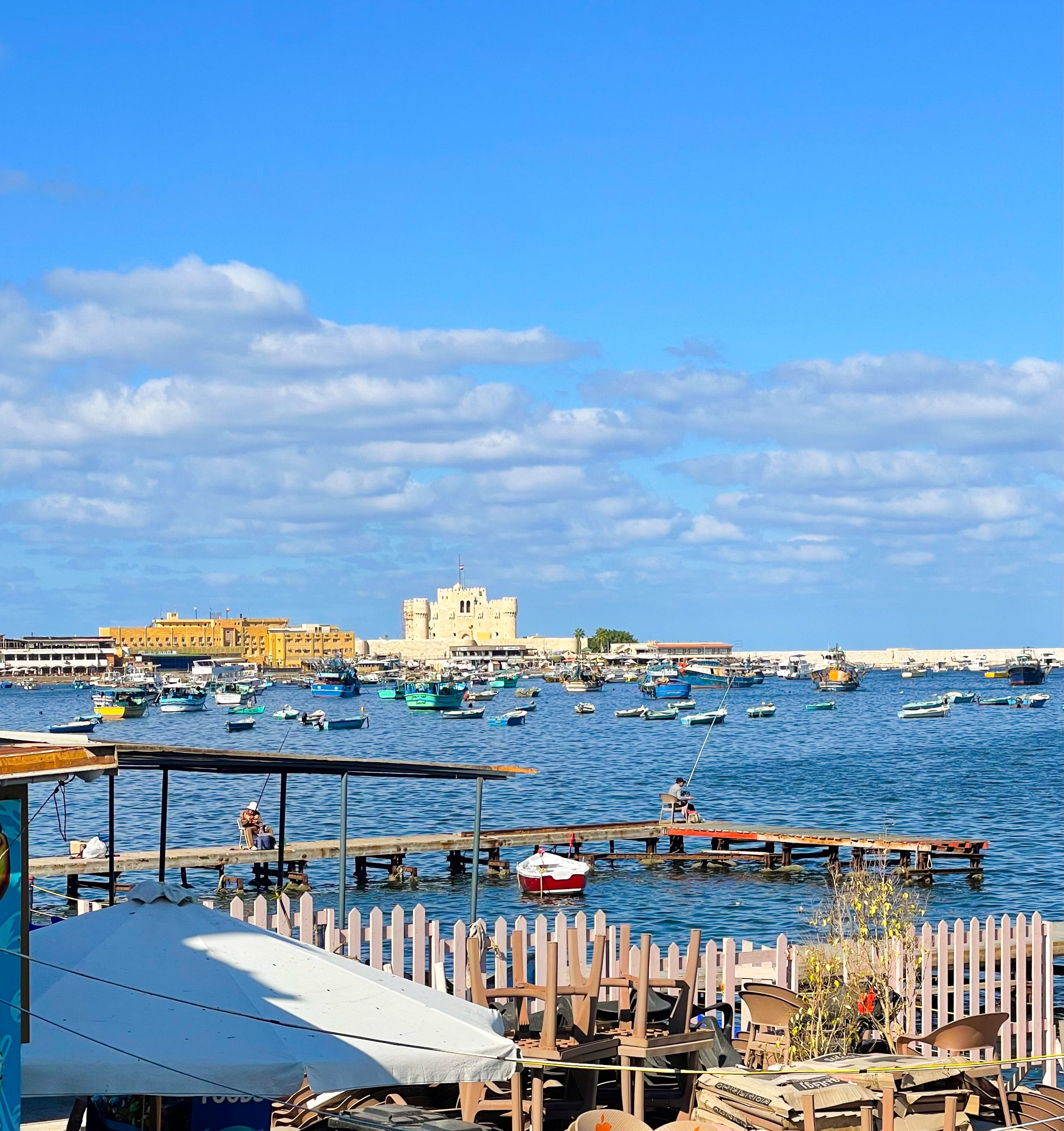
Alexandria announced itself to the ancient world, quite literally, with the world’s first lighthouse. The Pharos, commissioned by Ptolemy I Soter, was said to be visible 35 miles from shore.
After the pyramids, it was the tallest structure in the world for centuries. Fire blazed bright at its estimated 300-foot top, and polished mirrors guided sailors by day through the dangerous, shallow harbor.
The Pharos fell into the sea after a series of earthquakes across centuries. Eventually the Citadel of Qaitbay, a 15th-century fortress built to shield Alexandria from naval threats, used some of the very same stones.
Today, the Citadel stands where the lighthouse once was.
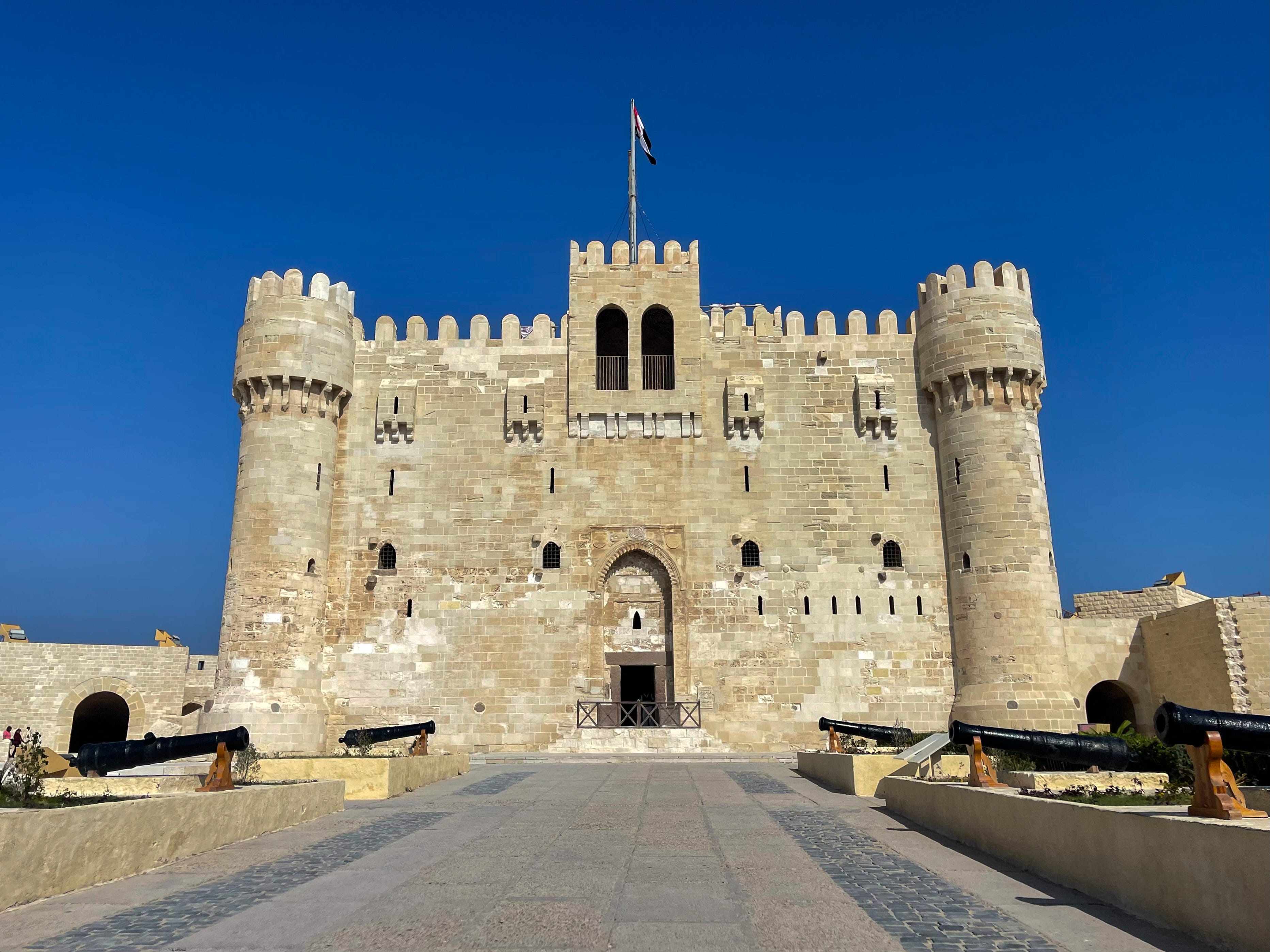
The fortress is striking, a staple on the tourist circuit. Glancing through narrow arrowslits on a guided tour, one hopes that the view wasn’t too different from the one ancient tourists enjoyed while exploring the Lighthouse’s many floors.
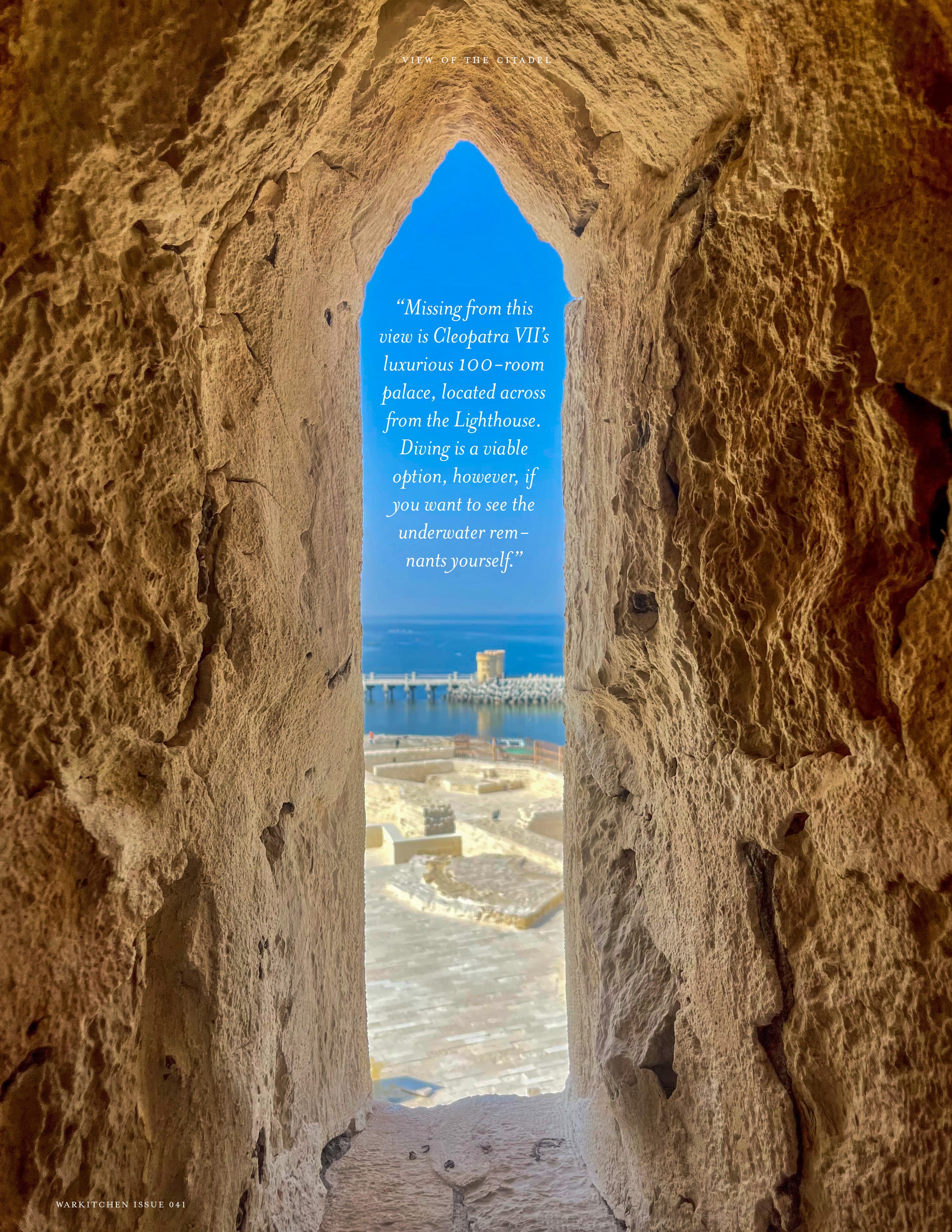
Missing from this view is Cleopatra VII’s luxurious 100-room palace, located across from the Lighthouse. Diving is a viable option, however, if you want to see the underwater remnants yourself.
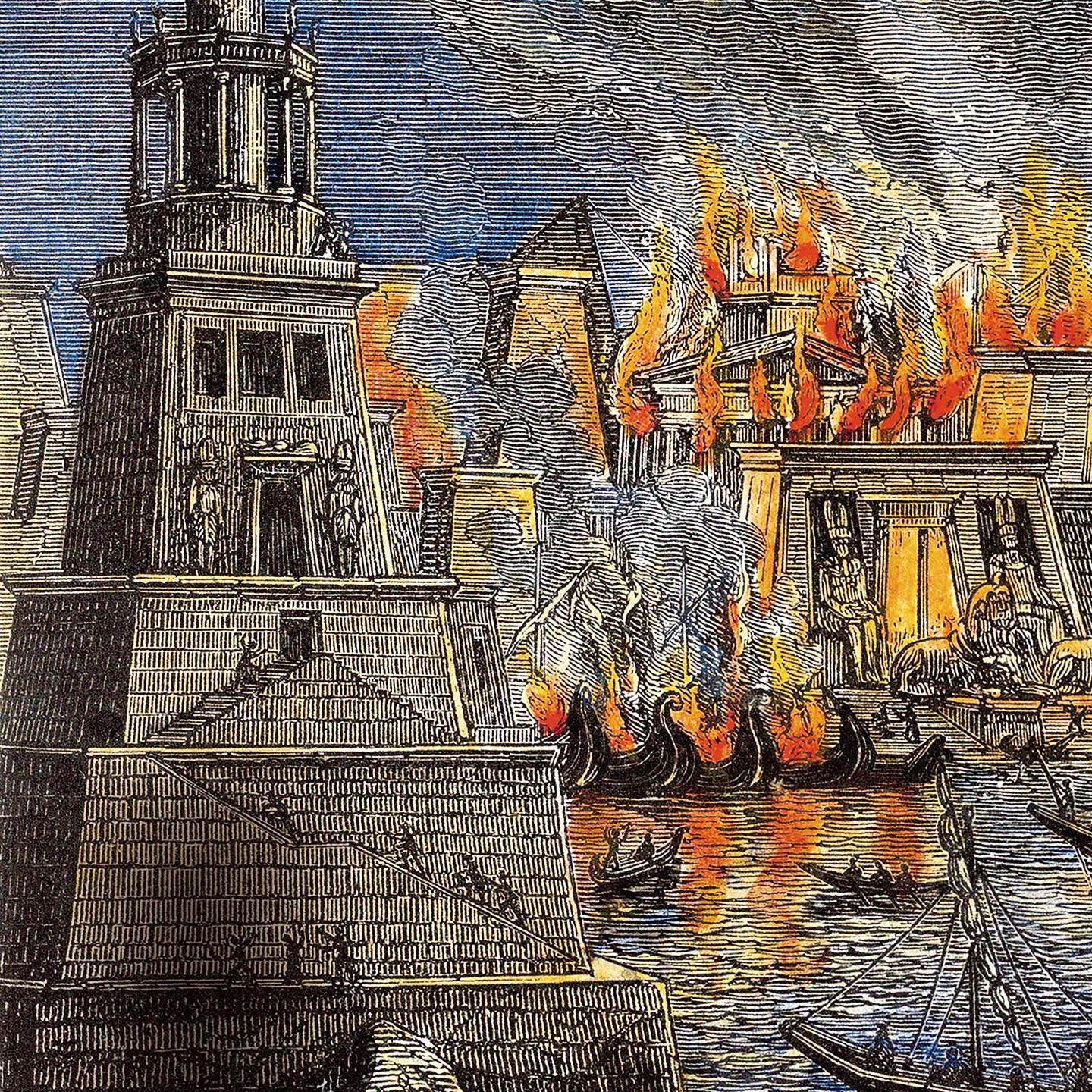
Ships flocked to Alexandria from across the ancient world, though none could dock in Alexandria’s port without agreeing to one caveat: relinquish all books on board to be copied and cataloged.
“No single fire destroyed the Great Library like we mythologize - the center of learning collapsed through defunding and neglect. Burning books make for a compelling image, but precious information is lost far more often when a culture simply turns away from it.”
Before Alexandria, Greek intellectuals only dreamt of a library that had all the world’s knowledge. Through the Ptolemies, they finally got their chance. The famous Library of Alexandria came to fruition as part of the Mouseion, a university and research institute named for the nine Greek ‘Muses’ of the arts.
This established Alexandria as an intellectual hub, large enough to rival Athens. Scholars, poets, and scientists received academic funding to study using the world’s greatest collection of resources.
Even Cleopatra herself studied at the Mouseion. After Julius Caesar accidentally started a fire there, signaling the beginning of its end, Mark Antony gifted her 200,000 scrolls to replenish the damaged collection.
Just as the Lighthouse would ultimately crumble into the sea, the Library of Alexandria famously fell into disrepair, triggered by several fires and eventual defunding. To preserve its well-known legacy, efforts to rebuild the library began in 1995 and were completed in 2002.
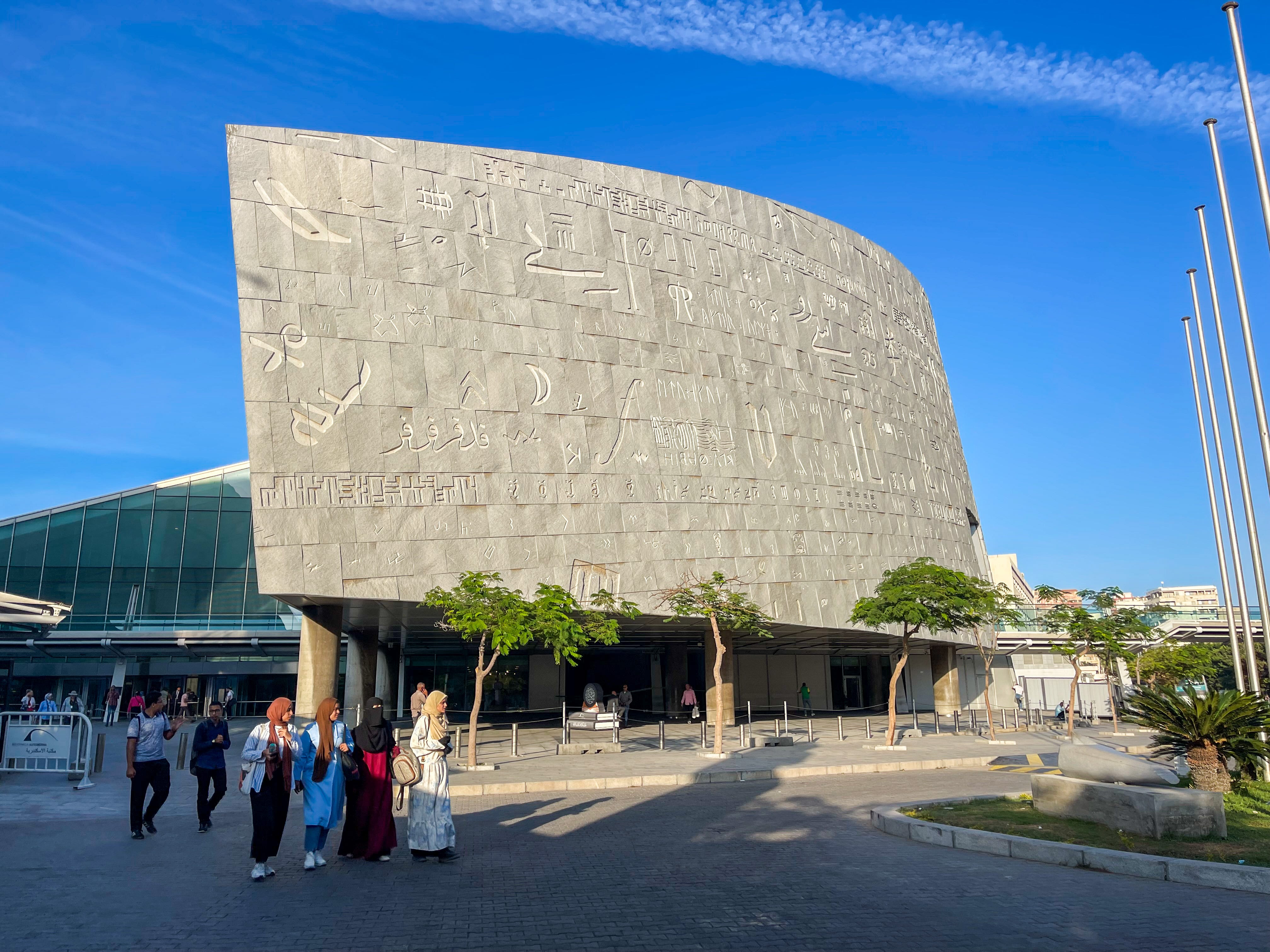
The modern Biblioteca Alexandrina is a point of national pride. No longer bridging Greece to Egypt, it bridges the ancient world to the modern. Situated where the original library is thought to be, college students and tourists flood this massive tribute, created to educate and showcase.
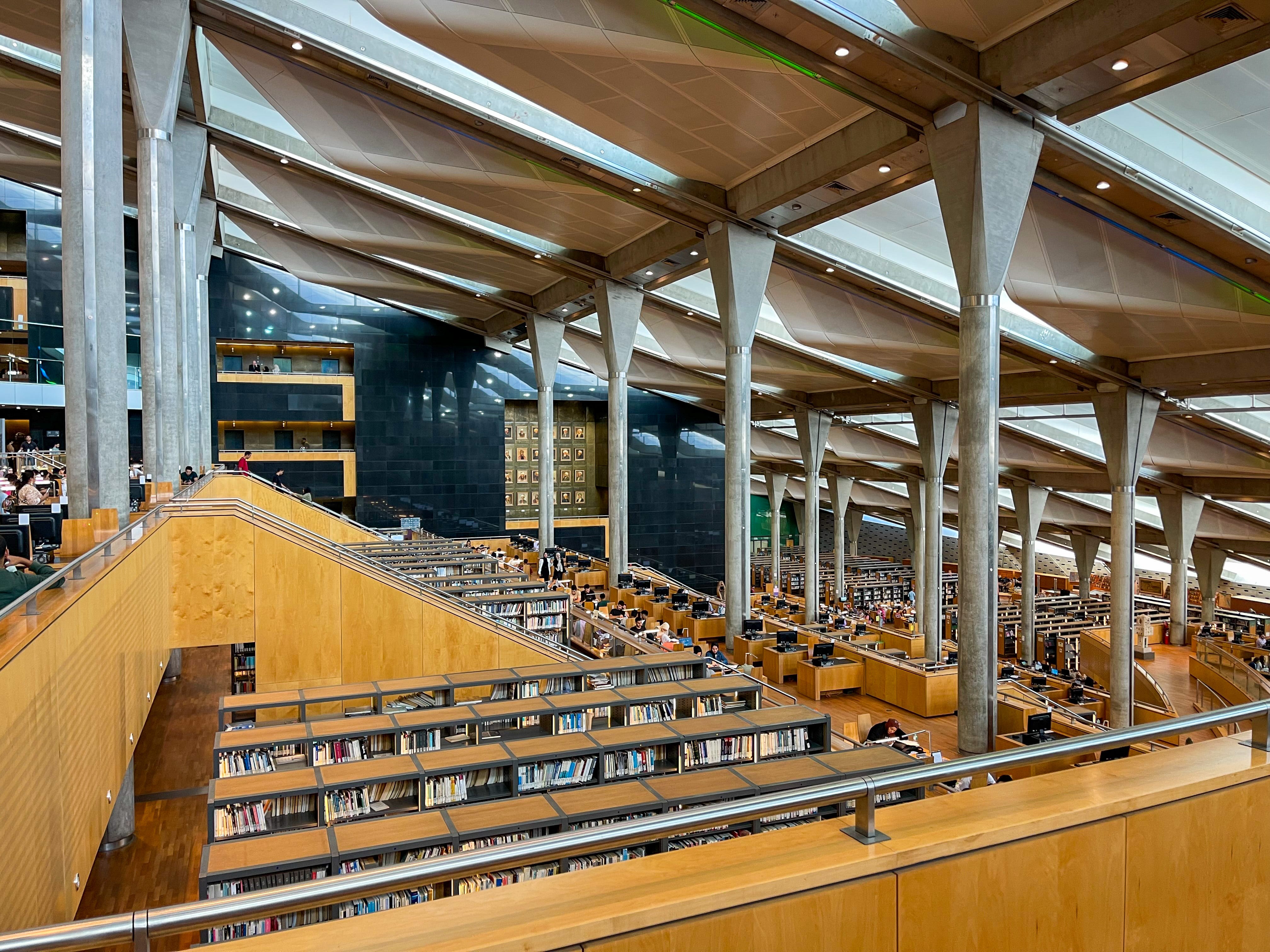
It’s an impressive feat. When I entered the glass-walled viewpoint for the first time and noticed seemingly endless rows of desks and shelves, all equally full, it genuinely took my breath away. I had the privilege of meeting both Biblioteca Alexandrina’s manager and its director of antiquities before going on a private tour through the massive space. Their designated event writer, a thoughtful woman my same age named Khadija, kindly accompanied me throughout the visit. Each of them had a contagious zeal for the library’s positive influences on Egypt and on the world at large.
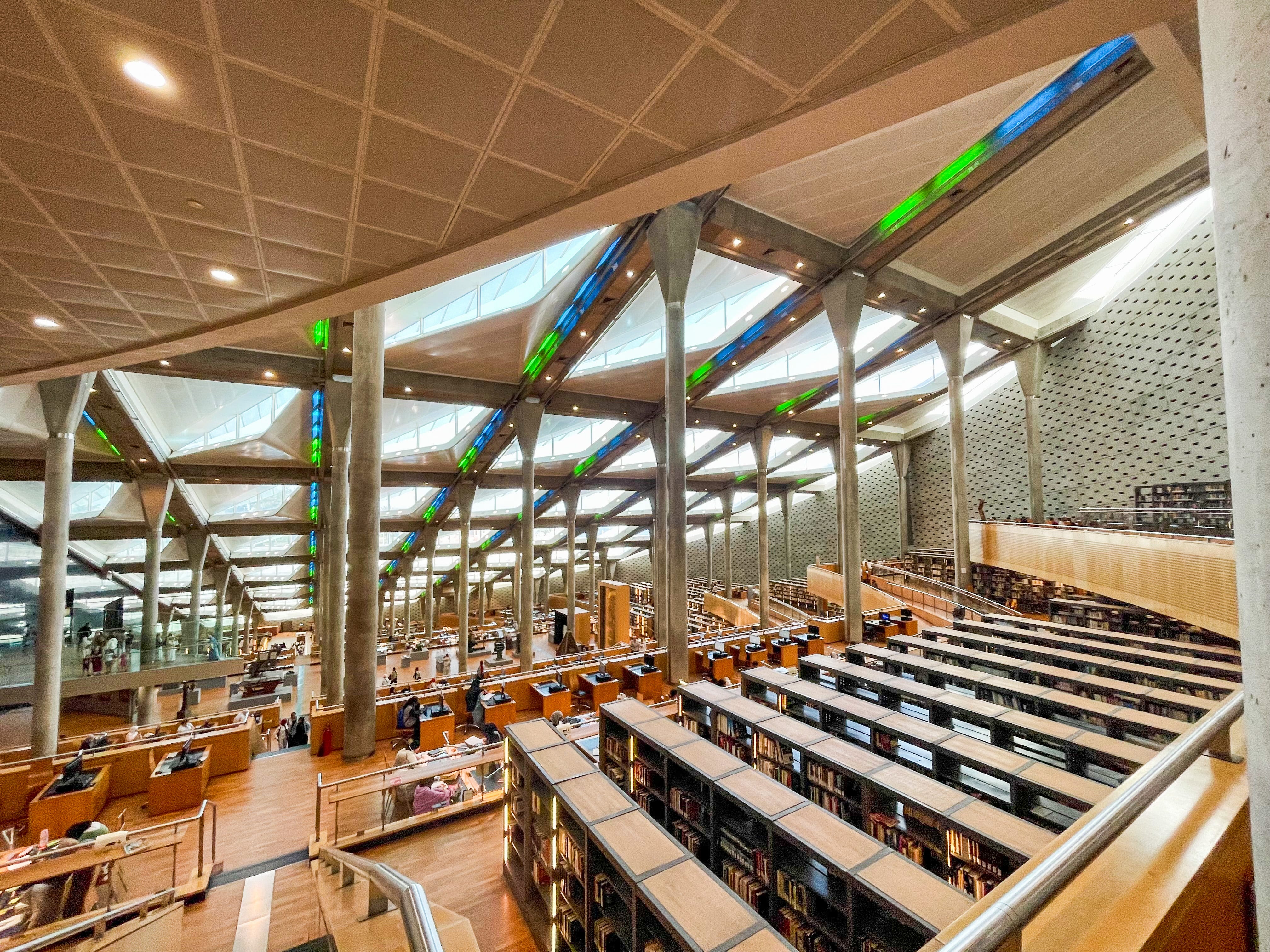
Visiting the Biblioteca Alexandrina reminded me of humanity’s thirst for endless knowledge, not just for education, but to possess. It’s easy to lose what we don’t use.
No single fire destroyed the Great Library like we mythologize - the center of learning collapsed through defunding and neglect. Burning books make for a compelling image, but precious information is lost far more often when a culture simply turns away from it.
The internet is our Great Library now. Between social media’s preeminence and the growing hold of Artificial Intelligence in our daily lives, we must remember what wisdom stands to be lost in the tides of each generational wave, ignored into nonexistence.
Walking through pedestrian-clogged streets to the sound of a prayer call ringing over loudspeakers, my tour guide Amgad and I discovered we were the same age. Conversation flowed easily between us while a kind but reticent driver whisked us through the city, from the Citadel by the sea toward Roman ruins underground. Thanks to the universality of Internet culture - the intermixing of the modern world - we were able to joke about topics like dating apps and Taylor Swift between discussing the significance of each stop. However trivial such talking points were, they gave us common ground to share.
Rome understood the importance of shared customs. Bringing their own beliefs to the area, Romans adopted some local beliefs, too, in an effort to mesh with Greek and Egyptian Alexandrians. Made for a single wealthy family during
Roman rule, the Catacombs of Kom El Shoqafa preserve this cultural meshing through its rare synthesis of Greek, Roman, and Egyptian art styles.
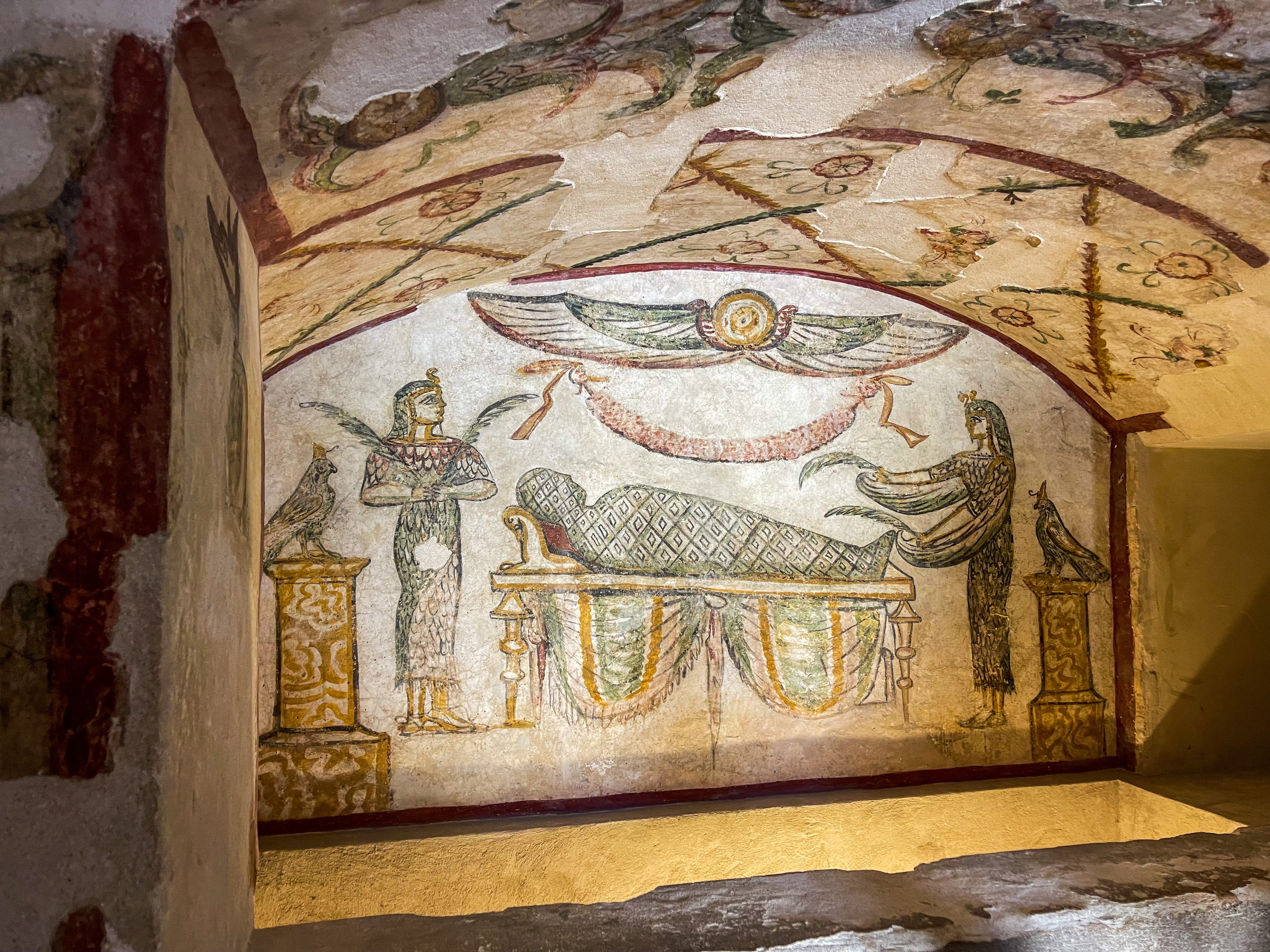
Ancient Egyptian gods like Anubis and Isis appear on the walls in Roman garb, painted beside Hellenistic motifs. On another wall, Hades is shown abducting the Greek goddess Persephone. The blended art styles reflect the catacombs’ unique mix of customs: mummified bodies were buried beside chariot horses. The horses were honored in death for their use in Roman gladiatorial games.
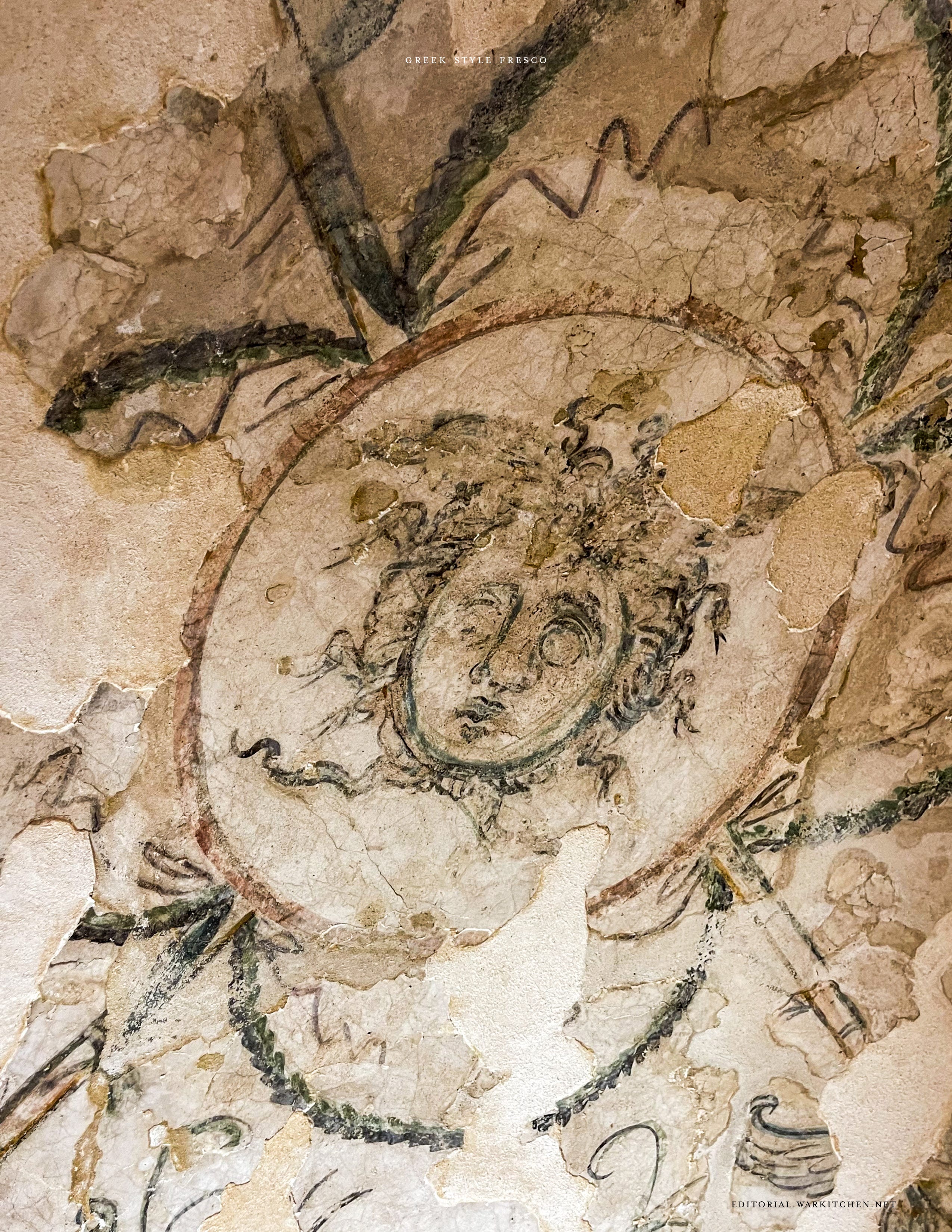
This decorative necropolis sat undisturbed for centuries until it was discovered by pure chance in 1900. “A donkey fell into it,” Amgad mentioned. Yet another legendary fall.
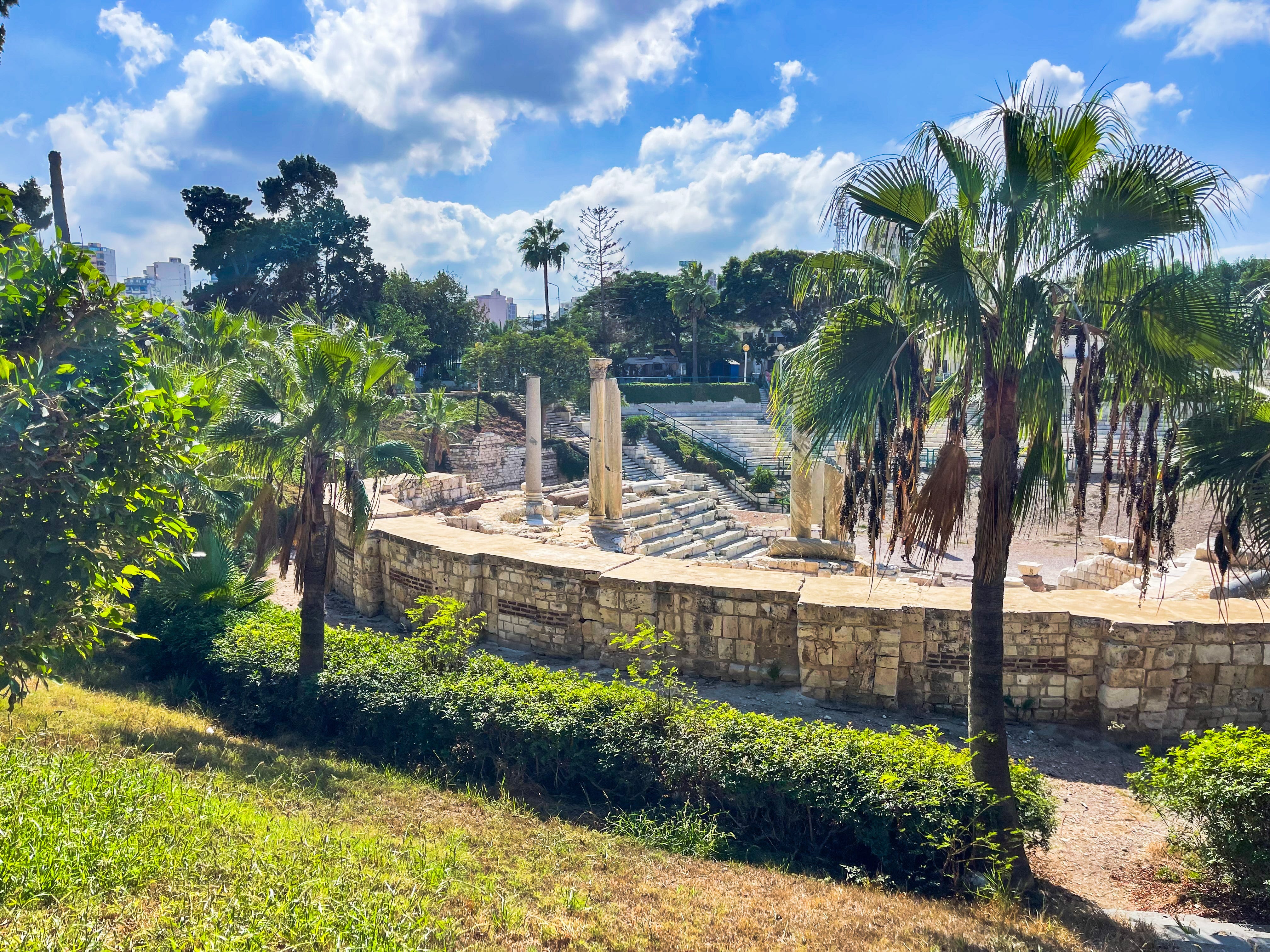
Serendipity uncovered several Roman ruins in Alexandria. A team of Polish-Egyptian archaeologists dug into a hill of dirt in 1959 while looking for Alexander the Great’s tomb - the site is still named Kom-El-Dikka, or “Hill of Rubble.”
Beneath the hill, they found an entire Roman civic center with gymnasia, a bath complex, and twenty auditoriums.
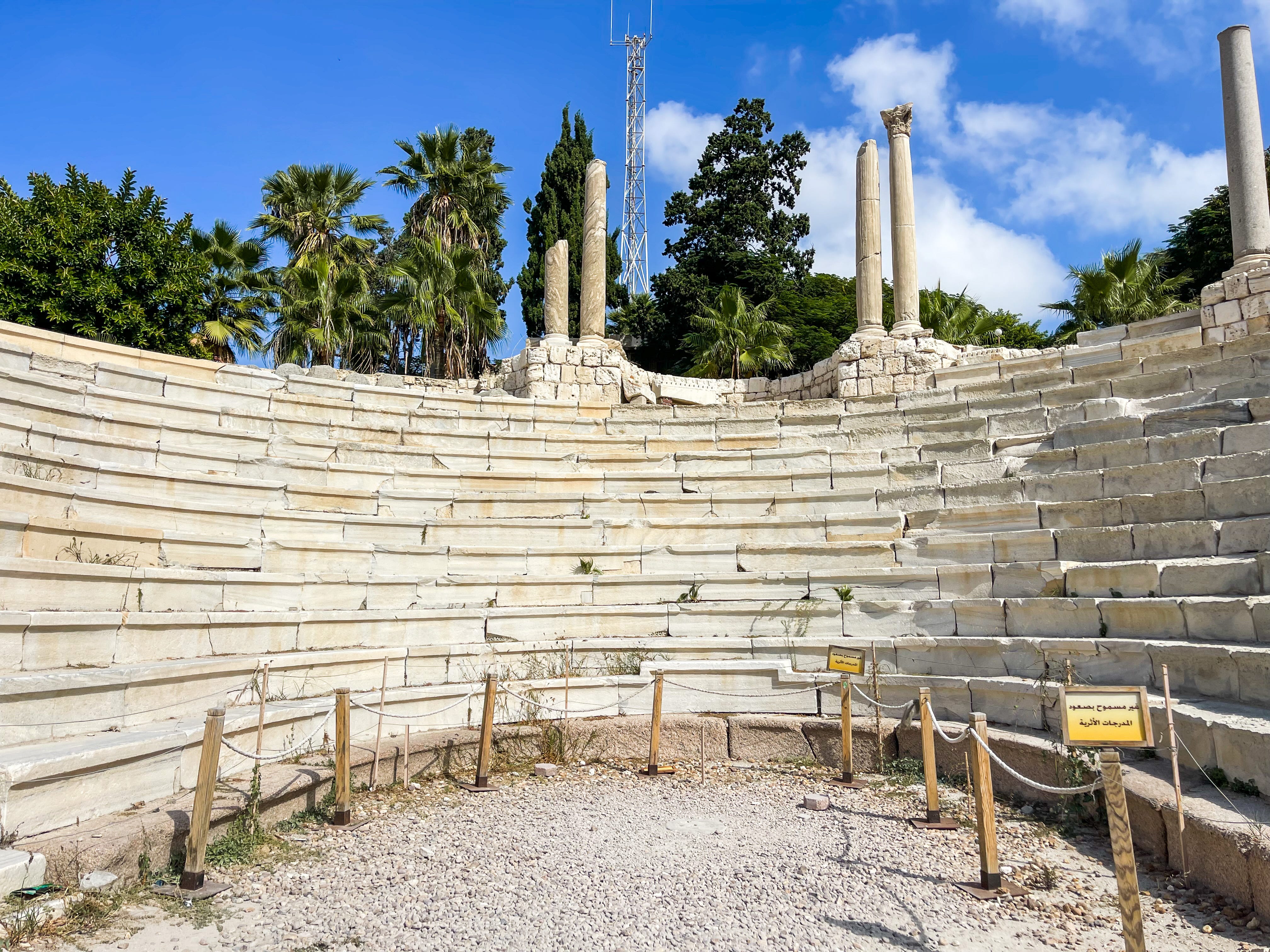
The ruins reveal designated spaces for higher education, entertainment, and socializing. Based on the acoustics of the Roman theatre, if you stand and speak where the sign indicates, your voice echoes loudly. It’s thought to have been used for concerts, lectures, and small-scale plays. The rocky auditoriums might’ve been used as classrooms, but in their lack of adornment, it’s difficult to tell.
Meanwhile, adornment defines a once-luxurious apartment space only a short walk away. The sole survivor of three villas in the area’s residential space, ruins known as “The Villa of the Birds” retain intricate and colorful artworks from the Roman era.
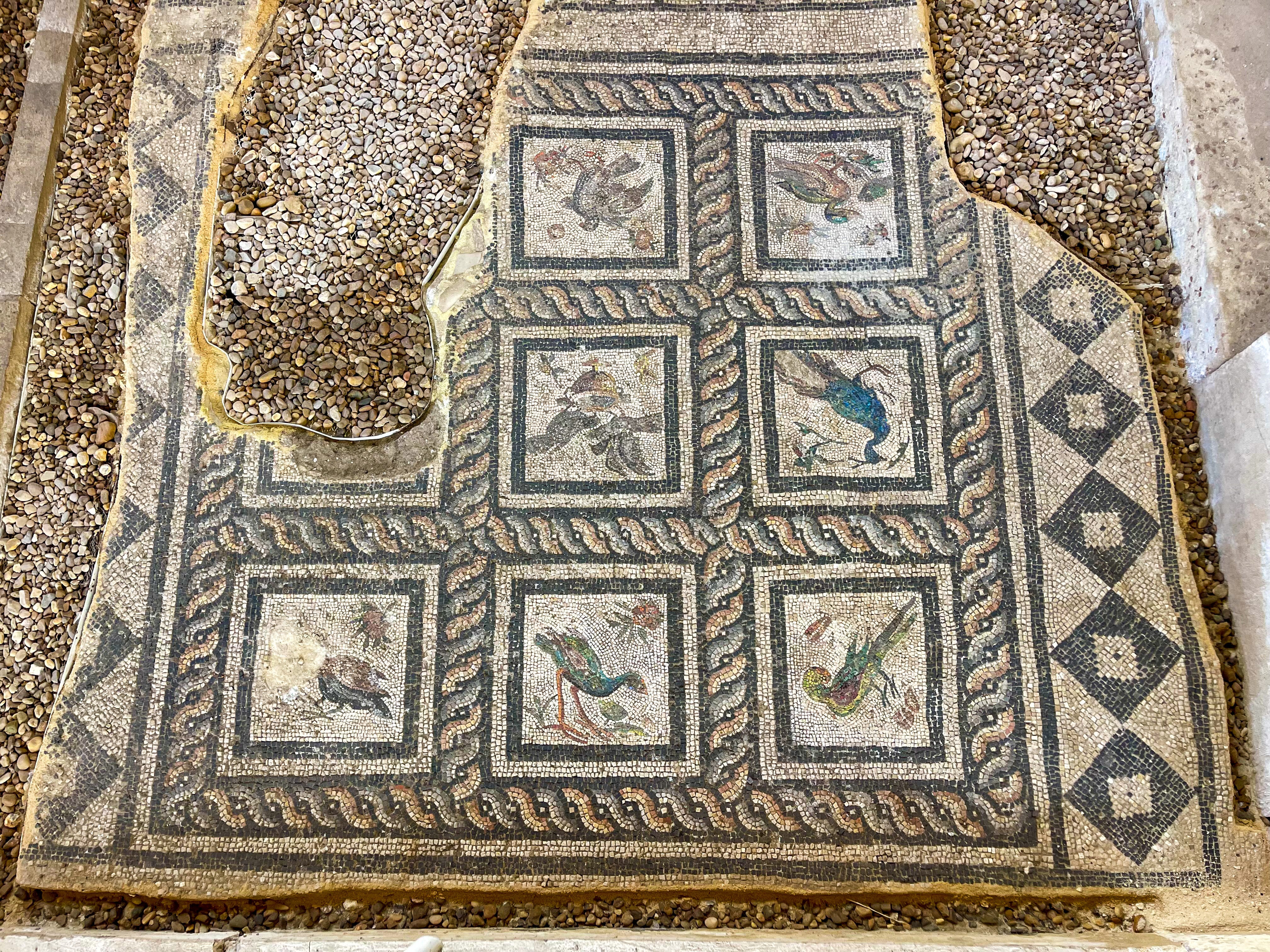
Mosaics served as an elegant status display in the Roman world, as beautiful as they were expensive. Dating back to the 2nd century, most of the villa collapsed in a sweeping fire. The soot-blackened floor mosaics, restored by art conservators, revealed four panels showing nine colorful bird species, including ducks, pigeons, and peacocks.
Roman life once flourished in the heart of downtown Alexandria, and this area remains dedicated to its memory today. The popular Greco-Roman Museum holds 40,000 antiquities recovered around the region, showcasing an era best defined by the intertwined cultures of its ruling class.
Here, Amgad walked me through the dramatic end of both Pharaohs and Ptolemies via Cleopatra, as well as the alliances between the last queen and Mark Antony that eventually led to a Roman takeover of Alexandria.
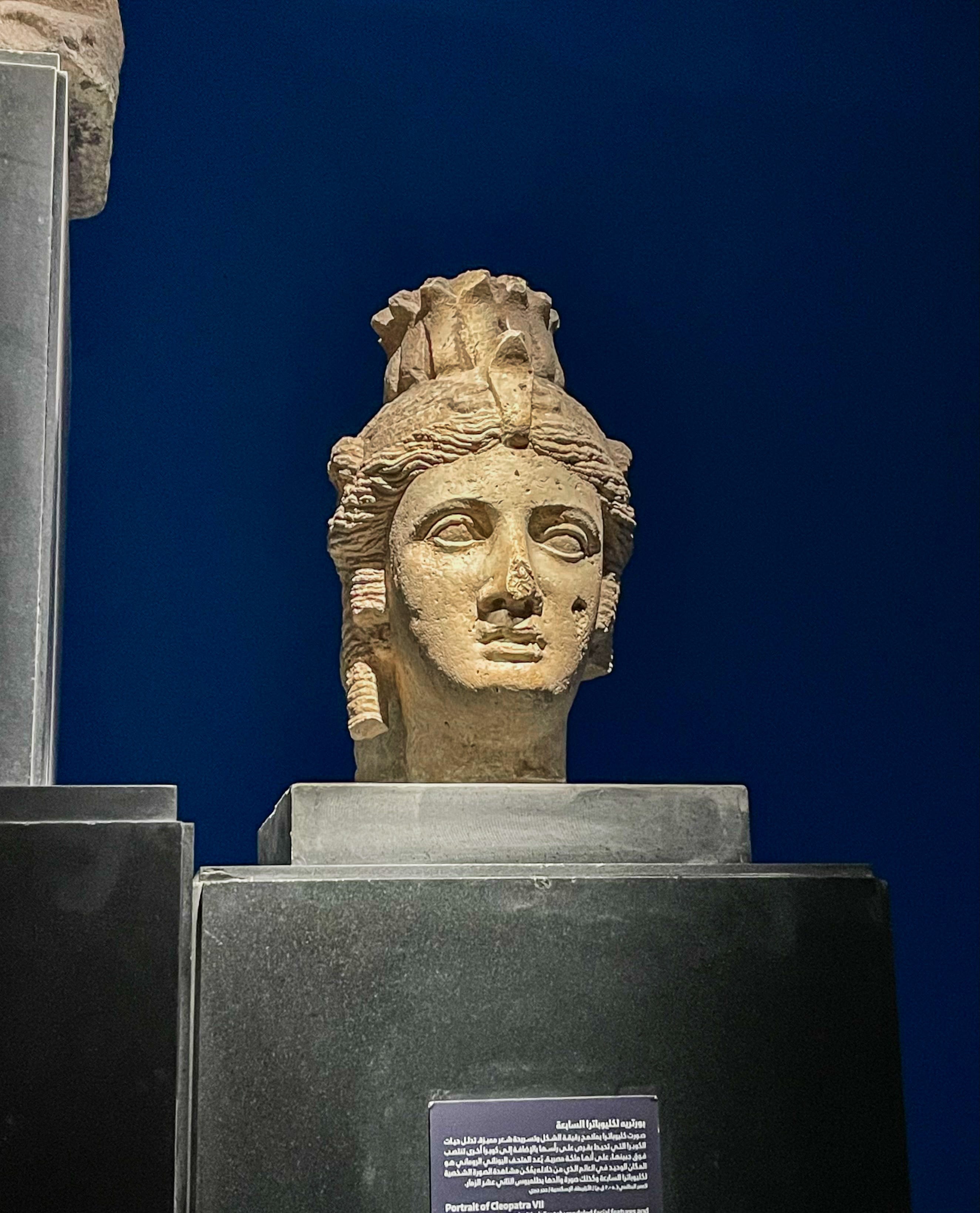
Through her fall, this Greek imperial capital became Greco-Roman.
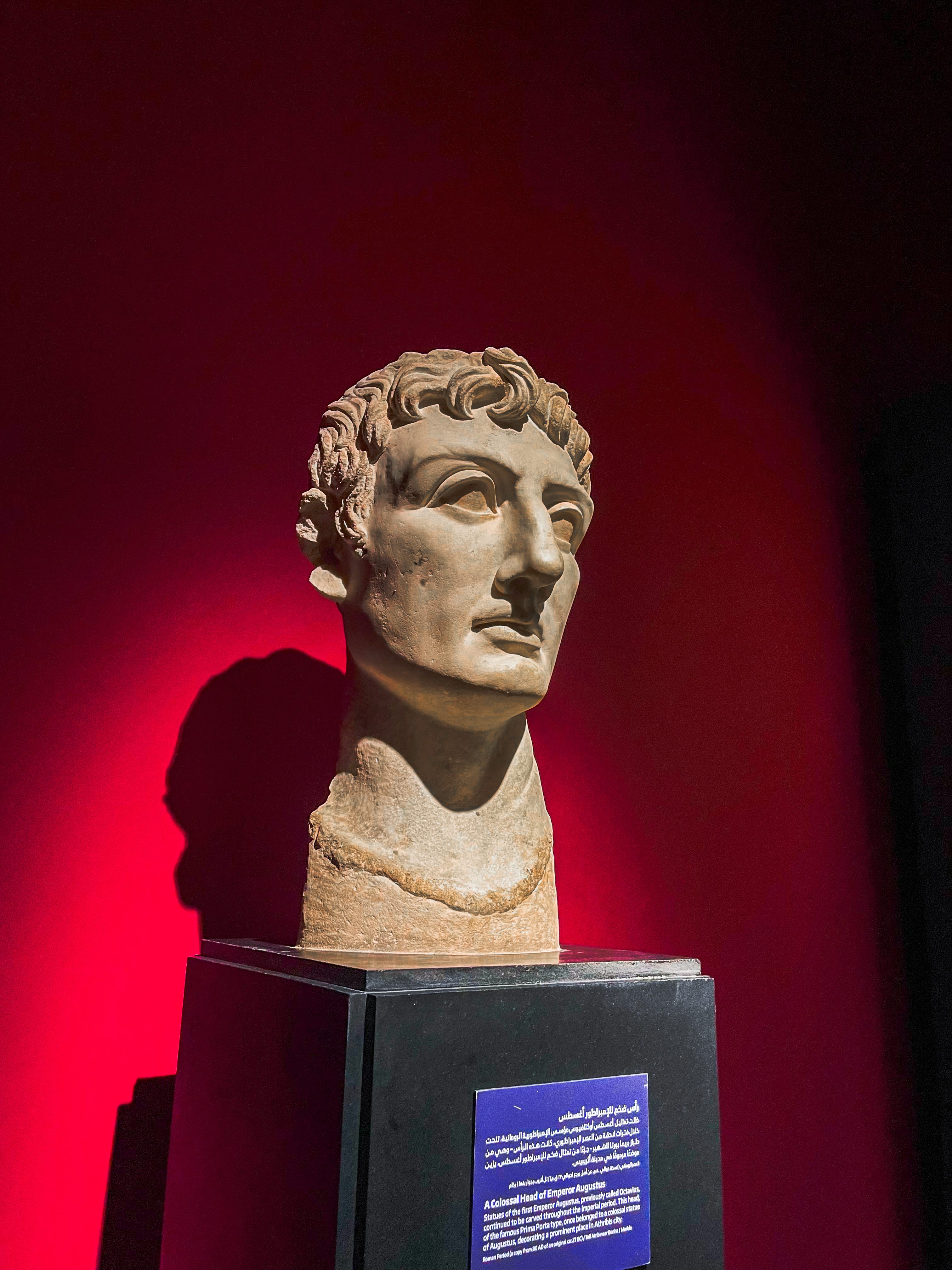
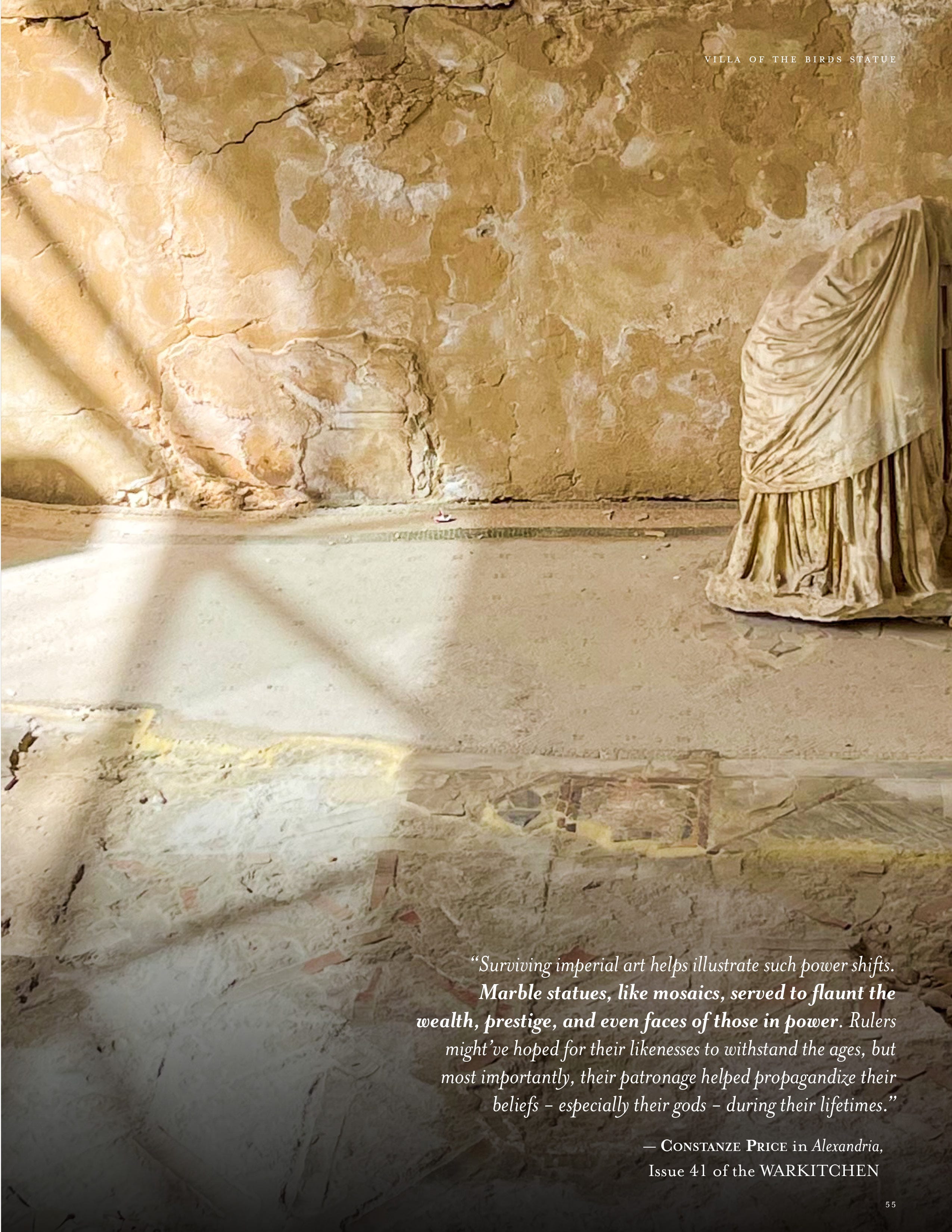
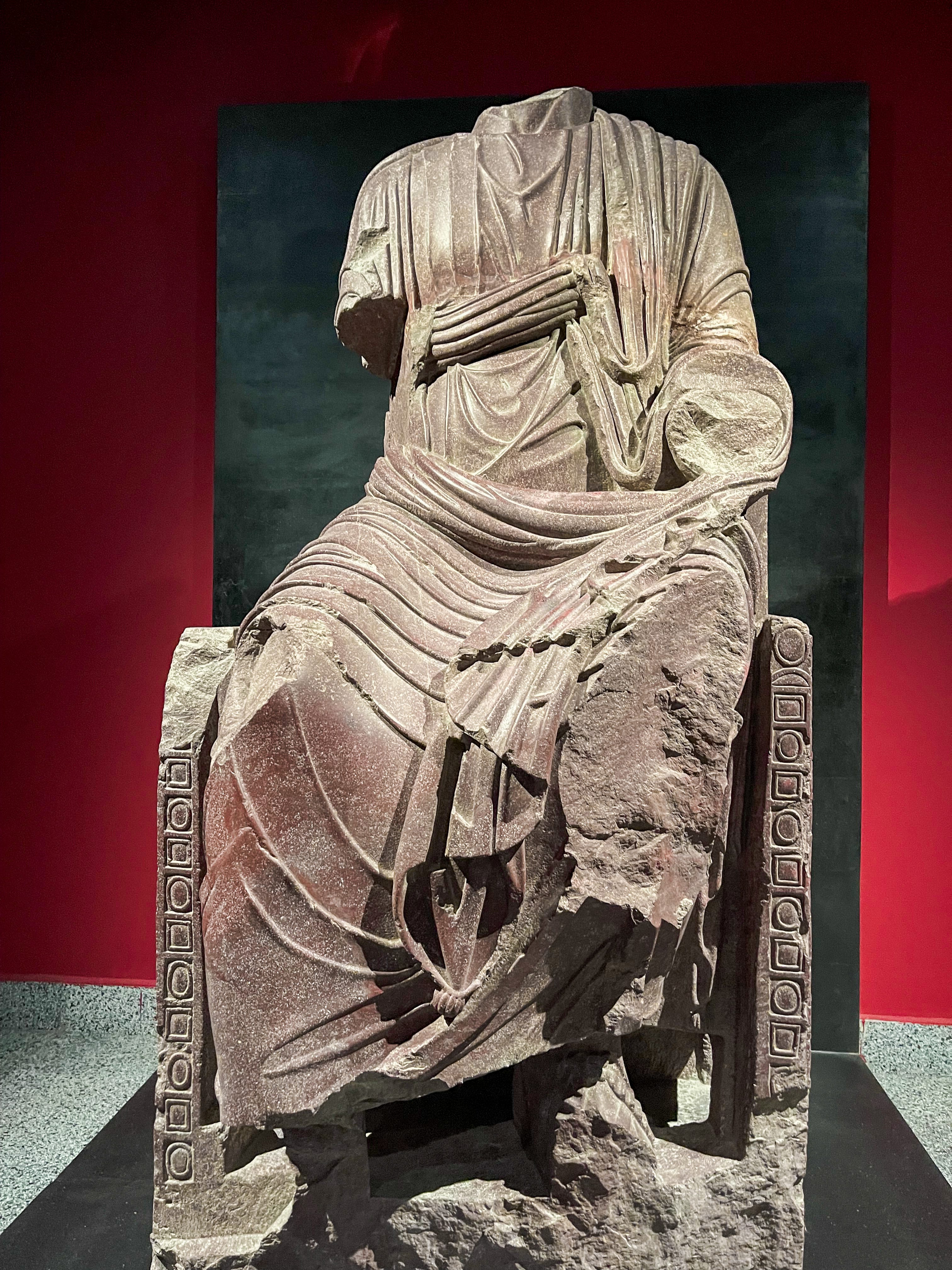
Surviving imperial art helps illustrate such power shifts. Marble statues, like mosaics, served to flaunt the wealth, prestige, and even faces of those in power. Rulers might’ve hoped for their likenesses to withstand the ages, but most importantly, their patronage helped propagandize their beliefs - especially their gods - during their lifetimes.
Among dozens of marble artifacts, we repeatedly encountered the figure of Serapis, a Greek and Egyptian combo-god invented by the Ptolemies.
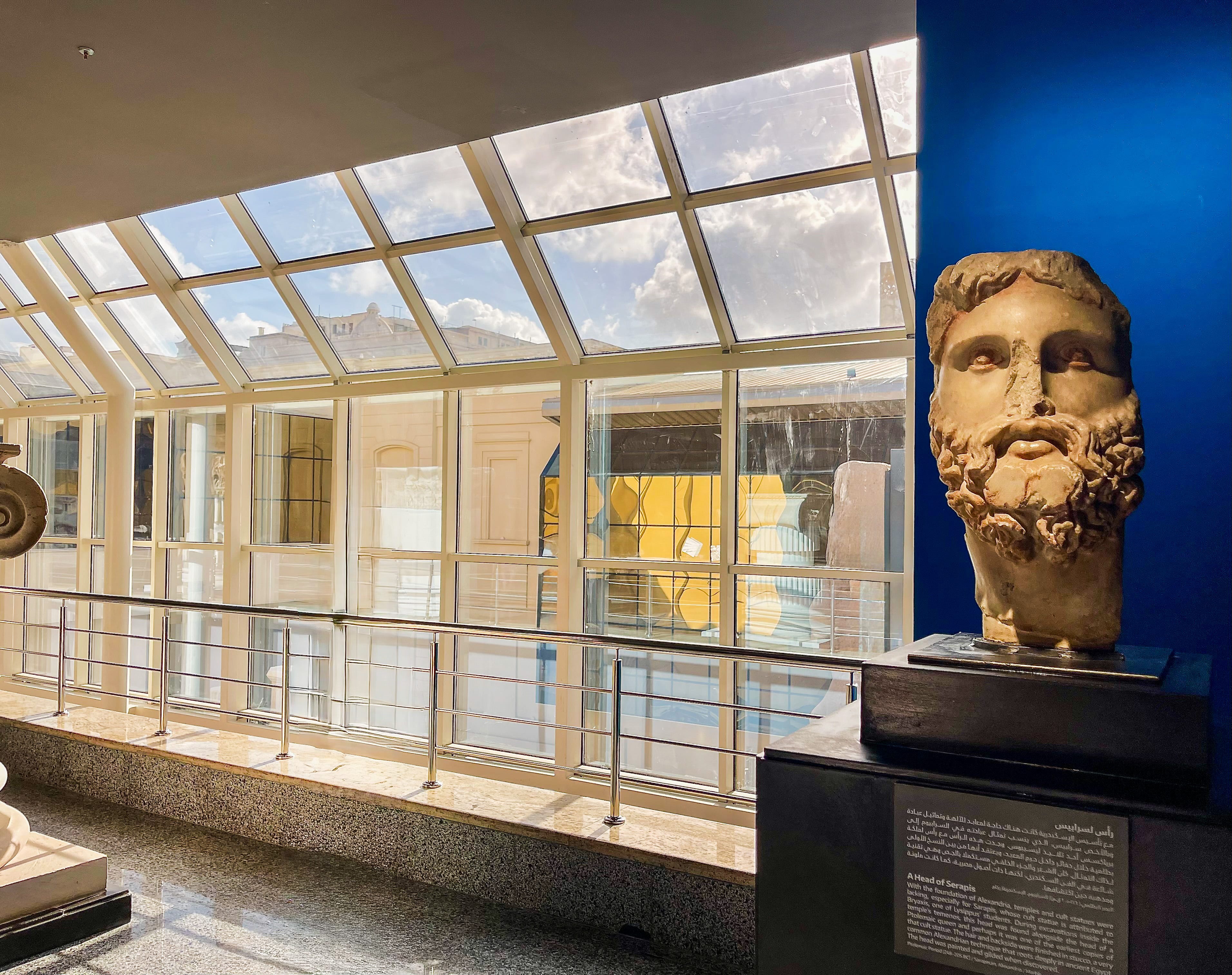
Greeks modeled Serapis after Zeus, Osiris, and Apis (the name derived from Osiris + Apis), represented as both man and bull. This “syncretic deity” ensured Greek control and intercultural harmony.
Serapis would benefit the Romans in similar ways during their rule, appearing in their Pantheon and even on imperial coins on display at the museum.
Roman soldiers and even several emperors furthered the “cult of Serapis” until the 4th century, when Emperor Theodosius I established Nicene Christianity as Egypt’s official religion.
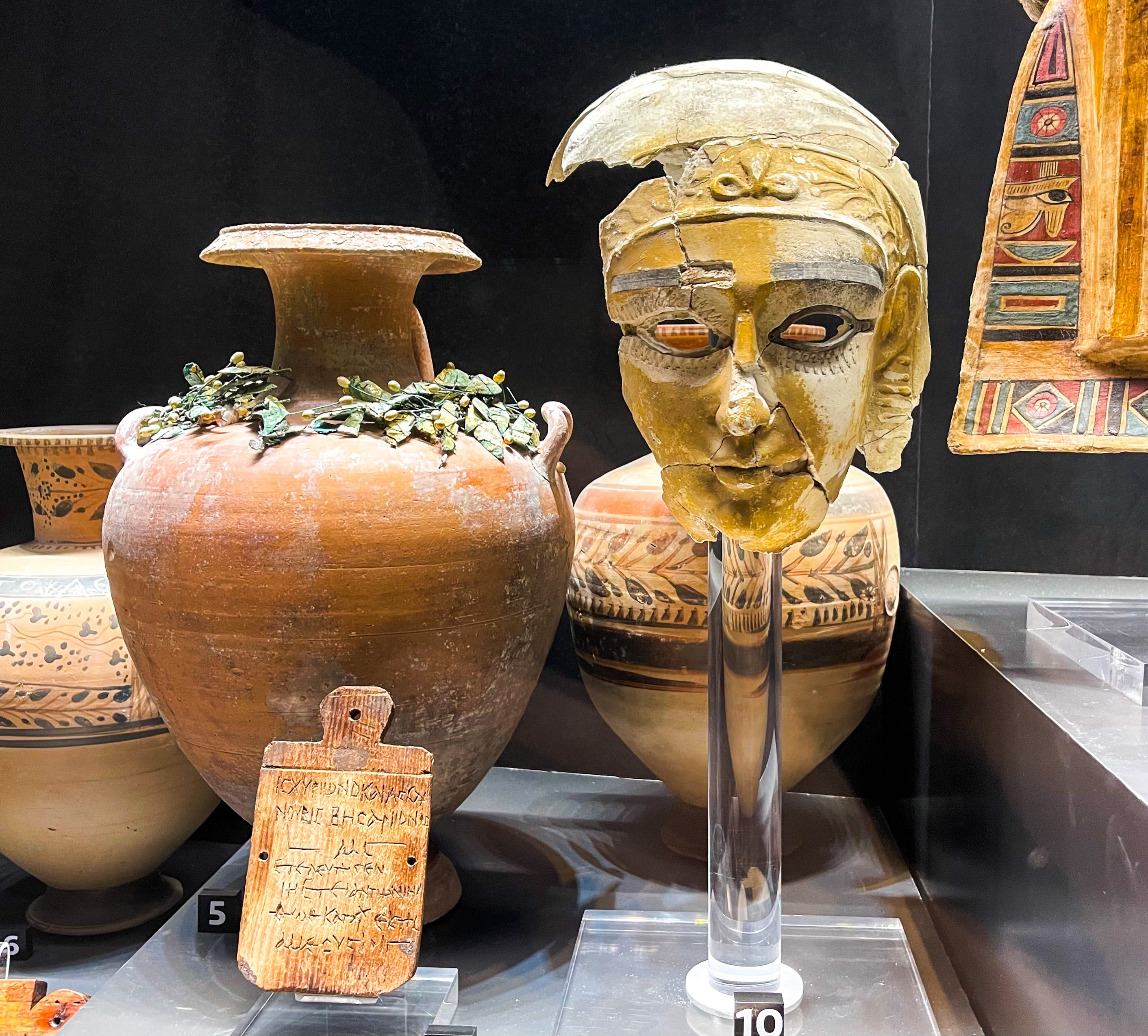
Ancient Alexandria withstood continuous waves of dominating forces across the centuries, but eventually, these waves slowed. Egypt came under Islamic control 1,300 years ago - modern Egypt, Alexandria included, is defined by it.
Unity is difficult when the largest religious minority, Coptic Orthodox Christians, constitutes only ten to fifteen percent of the population. Still, Muslims I spoke with emphasized that both populations worship the same god, as Arabic-speaking Egyptians all pray to Allah.
The ancient world glimmers beneath the bustle of modern Egyptian life. 2026’s Alexandria is a melting pot of Egyptian, Greek, Arab, and European cultures. My mother-in-law spoke English to me but used Arabic, French, and German with everyone else.
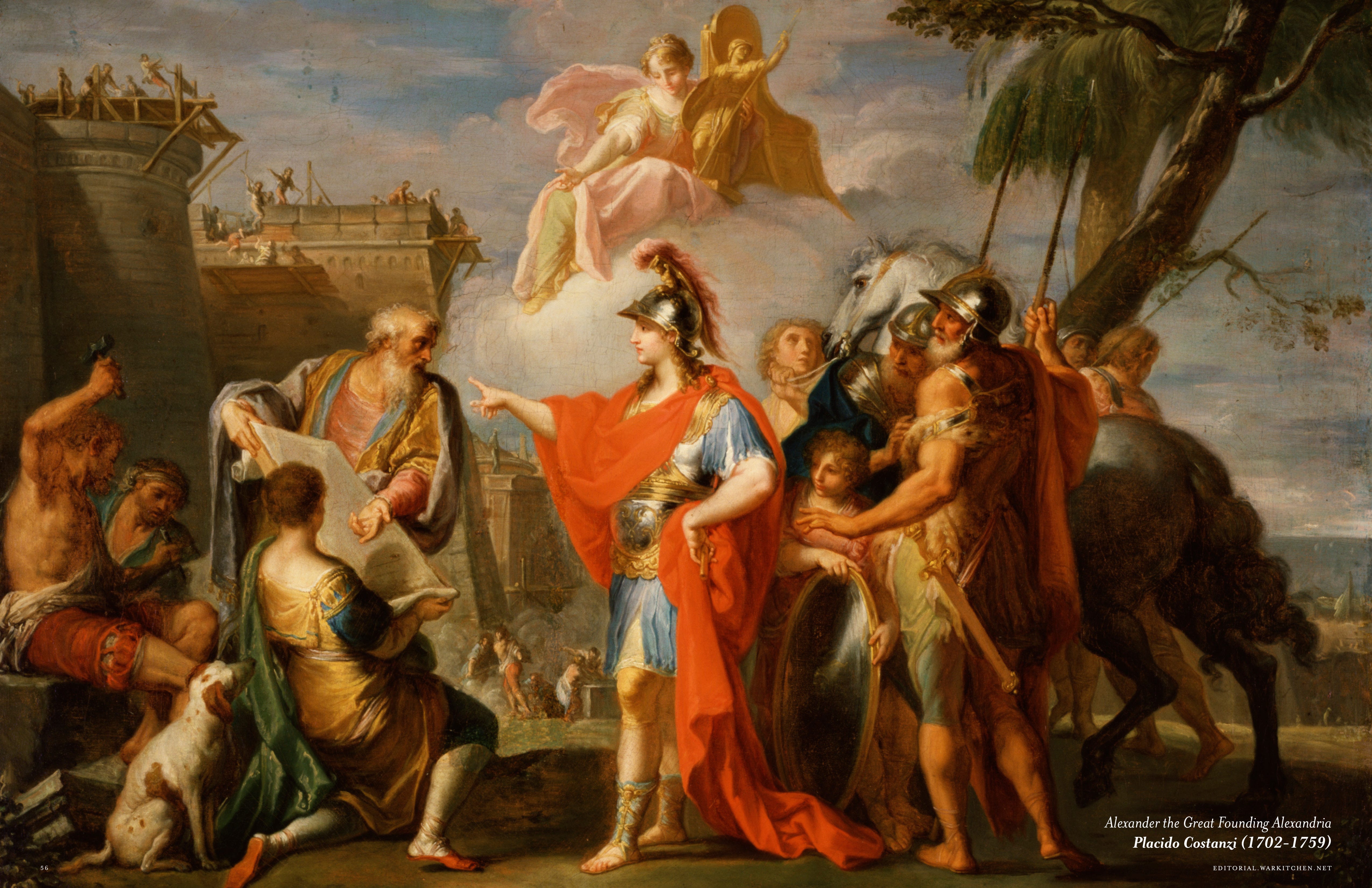
However obsolete, Alexander the Great’s namesake still pays tribute to the region’s deep Greek roots; charming old clothes for a civilization that’s mostly outgrown its Hellenistic, worldly youth. Alexandria shares a striking
likeness with Athens: urban chaos written over civilization’s most famous blueprints.
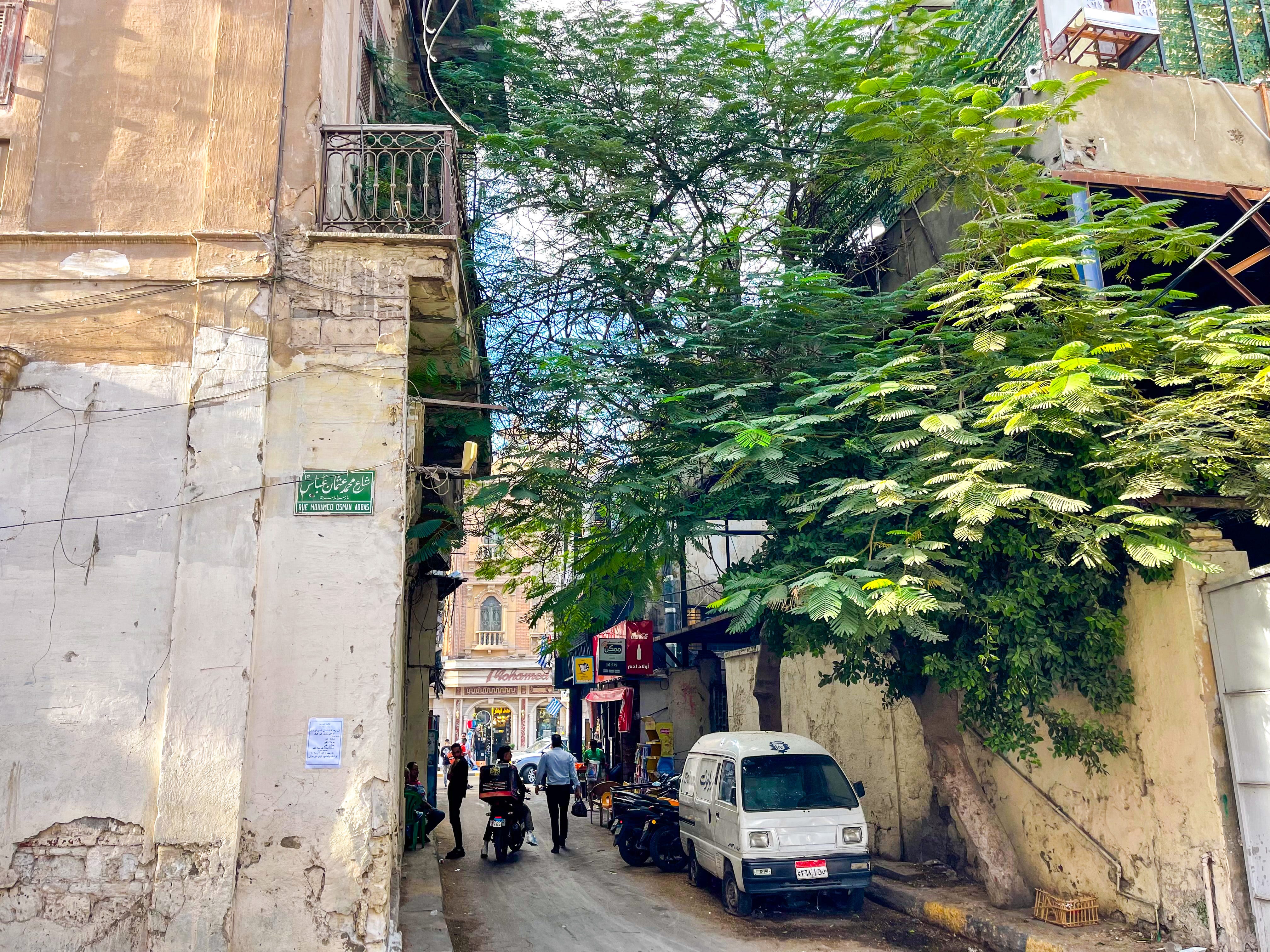
The “chaos” one finds here is exciting, beautiful even, but for an American accustomed to space, such excitement takes getting used to. Most of my culture shocks were shaken out in Cairo: fearing for the lives of bold jaywalkers strolling through traffic, recognizing honking as a secret regional language, and witnessing stray animals of all kinds navigating the streets. When I encountered these in Alex, they were few and far between.
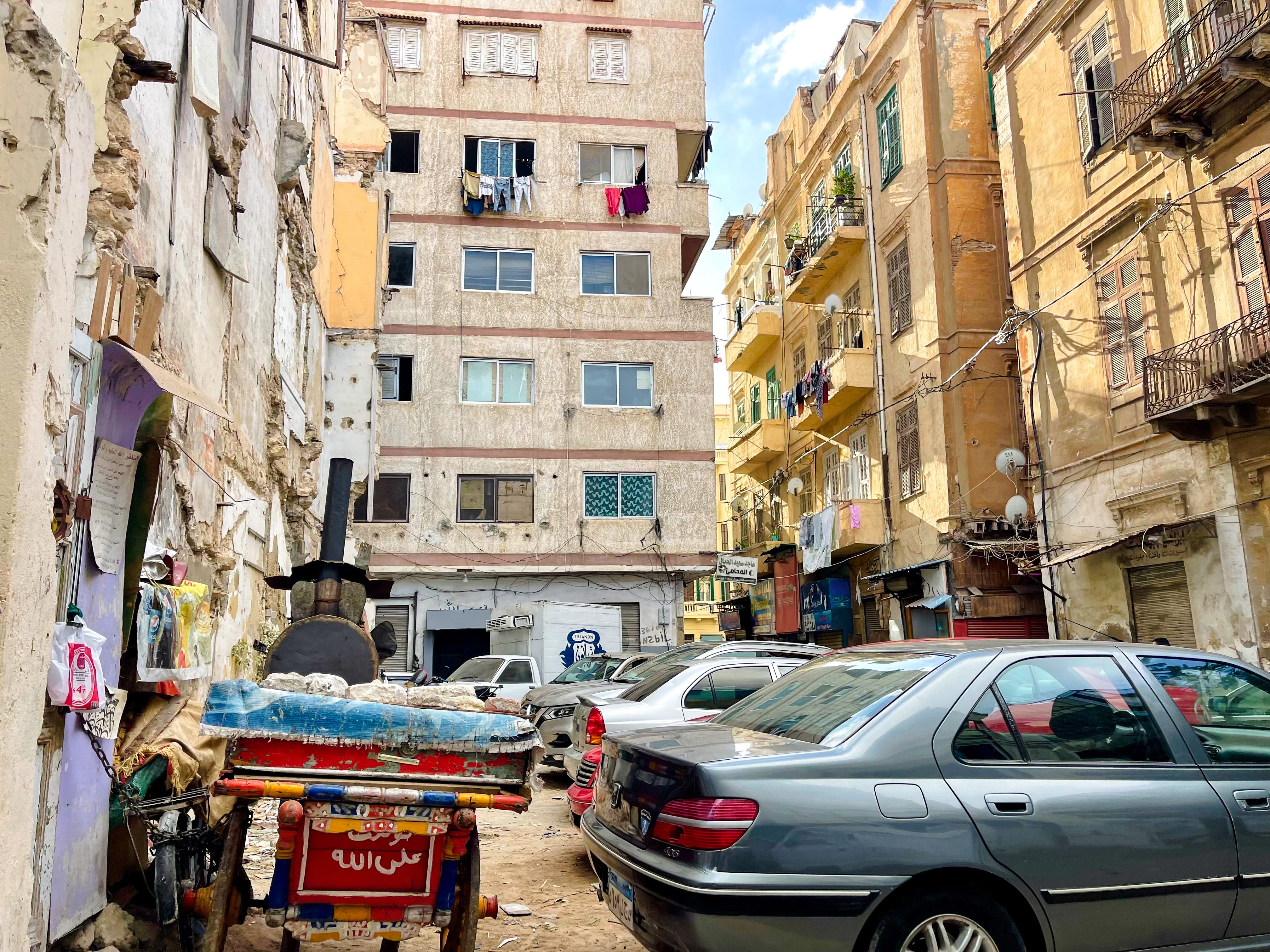
Art Deco buildings established during its 19th- and 20th-century golden era look timeworn. Most cars and buses are older models and often have a fair share of scuffs. Quality items from the past are preserved and reused. This tendency can be observed even down to little things: café chairs, market stalls, and bicycles.
Things aren’t needlessly replaced but mended if still usable. I’m reminded of the G.K. Chesterton quote, “Thrift is poetic because it is creative; waste is unpoetic because it is waste.” Like any big city, there’s some waste - but Alexandria’s thrift has a unique charm I wish I saw more often in my country.
Simply driving around town is its own special experience. There’s always something to see. Streetside vendors sell flip-flops, called “shib-shibs,” by singing discounts over loudspeakers; passersby purchase jewel-red pomegranates and plump guavas off tuk-tuk truck beds; pedestrians weave through lines of cars on their phones so nonchalantly, they look bored.
I was fortunate enough to meet members of my mother-in-law’s own family - aunts, cousins, and even old friends. Egyptians express love through food, Mom said. And I miss their love dearly: ful (fava bean) sandwiches; hot Turkish coffee with crunchy, sweet kunafa; layers of bready fateer drizzled in tahini and molasses for breakfast (or dessert).
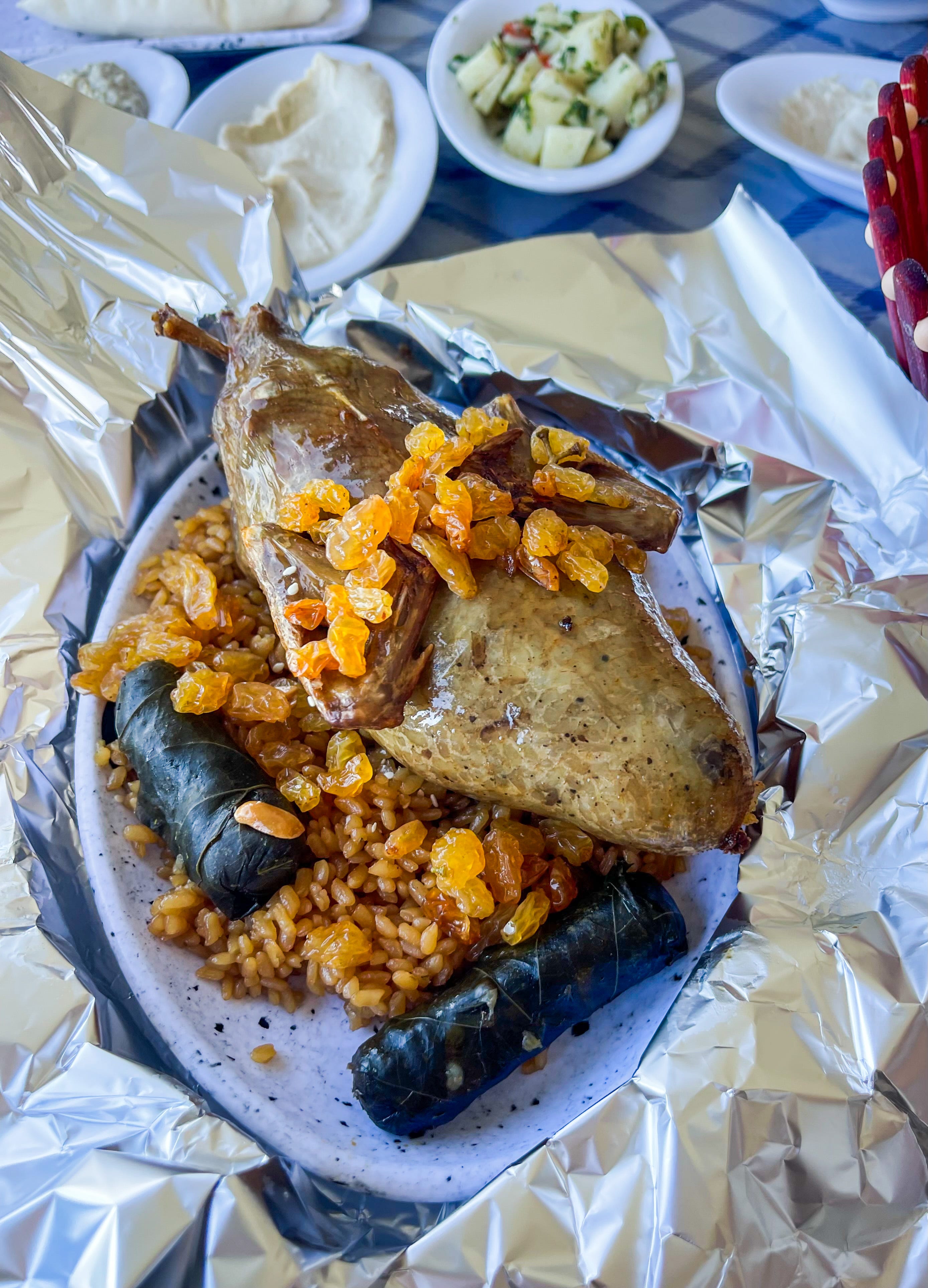
I even tried pigeon, a 3,000-year-old Egyptian delicacy. Stuffed with grains, sultanas, and almonds, the roasted bird is the size of a Cornish game hen, thin-skinned, and remarkably tasty.
“Layers of rich history are only possible from an enduring multiculturalism, fueled by its romantic nearness to the sea. Through swimming in the Mediterranean, connecting with locals, and observing Alexandria’s many layers of history, any mindful tourist will find themselves nostalgic for this city of paradox.”
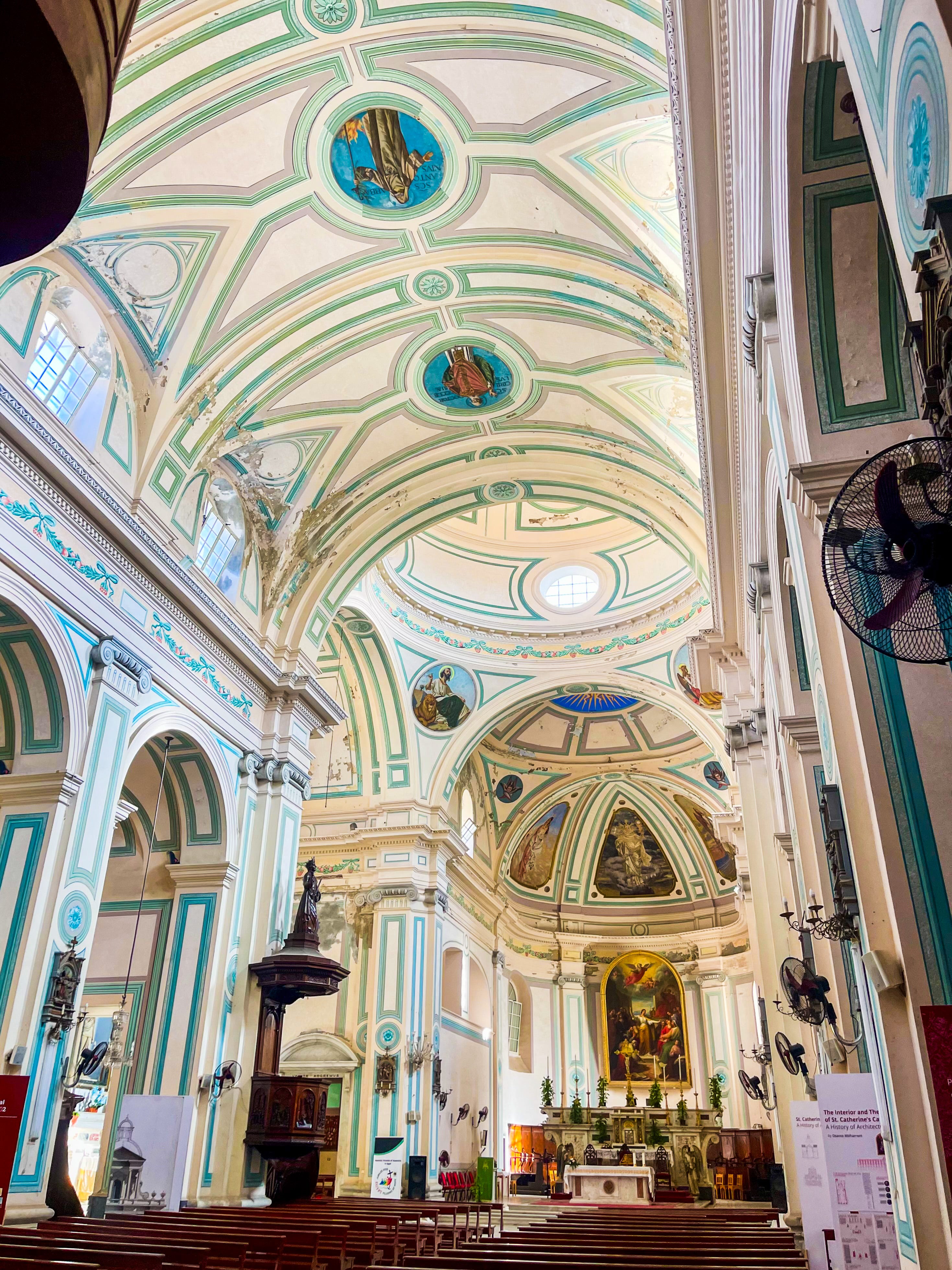
Had we only stuck to exploring history, we would’ve missed the many joys of exploring modern Alexandria. A highlight was the afternoon that Cousin Rita led us on an impromptu tour of churches and cathedrals, threading through crowded modern neighborhoods - Mansheya, Port Said, and Ibrahimeya - revealing a whole other side of the metropolis.
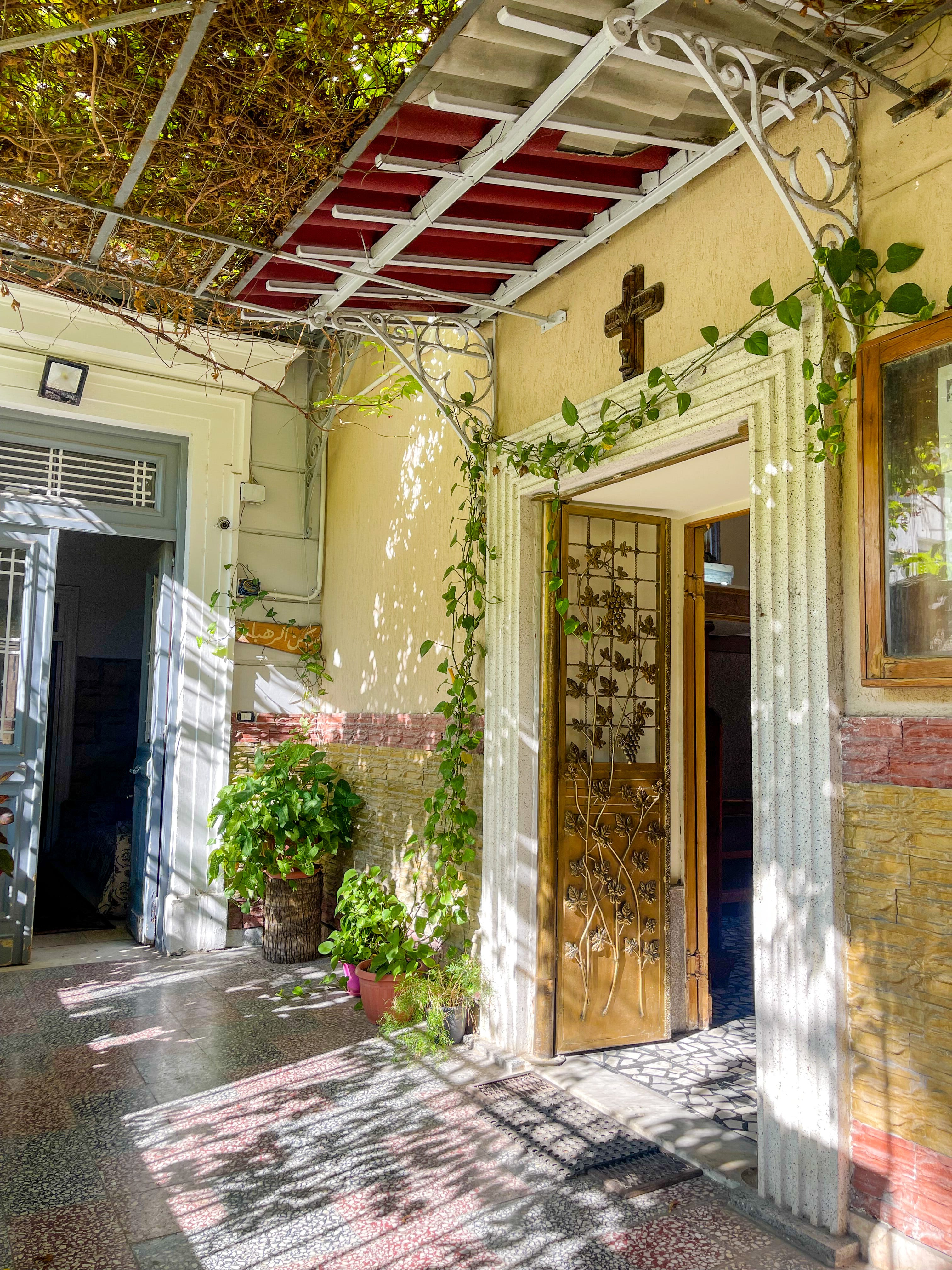
Each unique sanctuary was well-maintained, some with their own gardens, by kind-eyed people I couldn’t share more than faith and a “thank you” with.
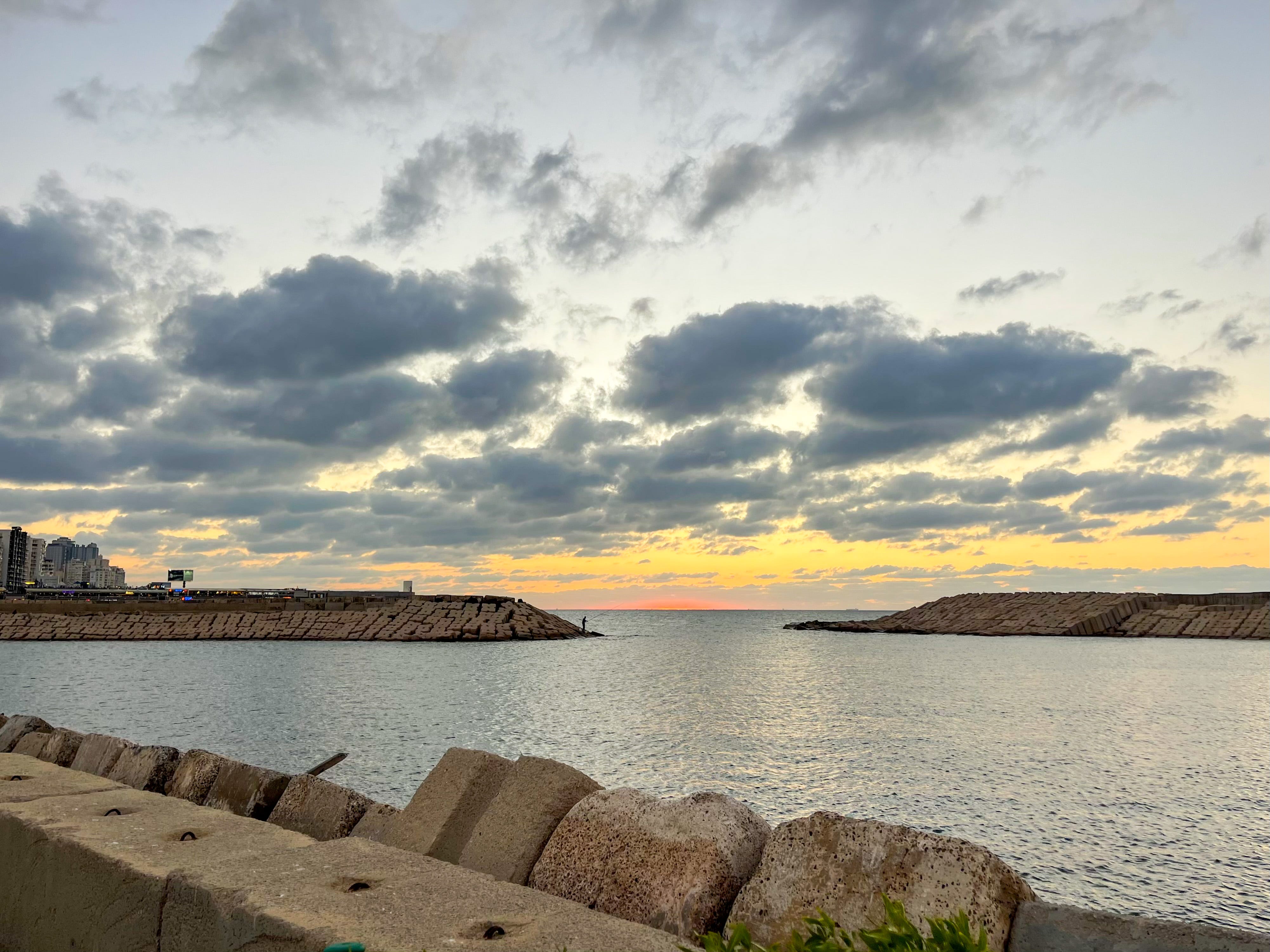
Like any ruin, Alexandria’s age is double-edged. Memory and history make it beautiful, but in its decay, the ache of something lost reveals itself. The port city boasts the largest population on the Mediterranean coast and the second-highest population density in Egypt. In other words, crowding is unavoidable, and congestion and pollution risk tarnishing the beauty of what once was.
But this is a beauty that can’t be altered to fit an ideal. Layers of rich history are only possible from an enduring multiculturalism, fueled by its romantic nearness to the sea. Through swimming in the Mediterranean, connecting with locals, and observing Alexandria’s many layers of history, any mindful tourist will find themselves nostalgic for this city of paradox.
Constanze Price writes Coffee w/ Constanze, where she shares essays on travel, culture and passion. Explore her work and subscribe here.

This piece was first published in Issue 41 of the WARKITCHEN, explore the rest of the issue here. Enjoy the experience 🥂

If you enjoyed this, you’ll enjoy Constanze’s piece on The World’s Most Luxurious Sauna, where she takes you around the iconic Castel Fragsburg.
 | A guest post by
|